Tillman Pass Trek: A Remote Himalayan Crossing Few Trekkers Attempt
Some Himalayan journeys are popular because they are beautiful and accessible. Others attract people who want to venture beyond the familiar trails, where the mountains become more remote, the camps more basic, and every decision matters.
The Tillman Pass Trek belongs to the second category.
Reaching approximately 5,320 metres, Tillman Pass is a demanding high-altitude crossing in Nepal’s Himalaya. The journey combines the sacred lakes of Panch Pokhari, remote mountain camps, rugged alpine terrain, the Langshisha Glacier area and the beautiful Langtang Valley.
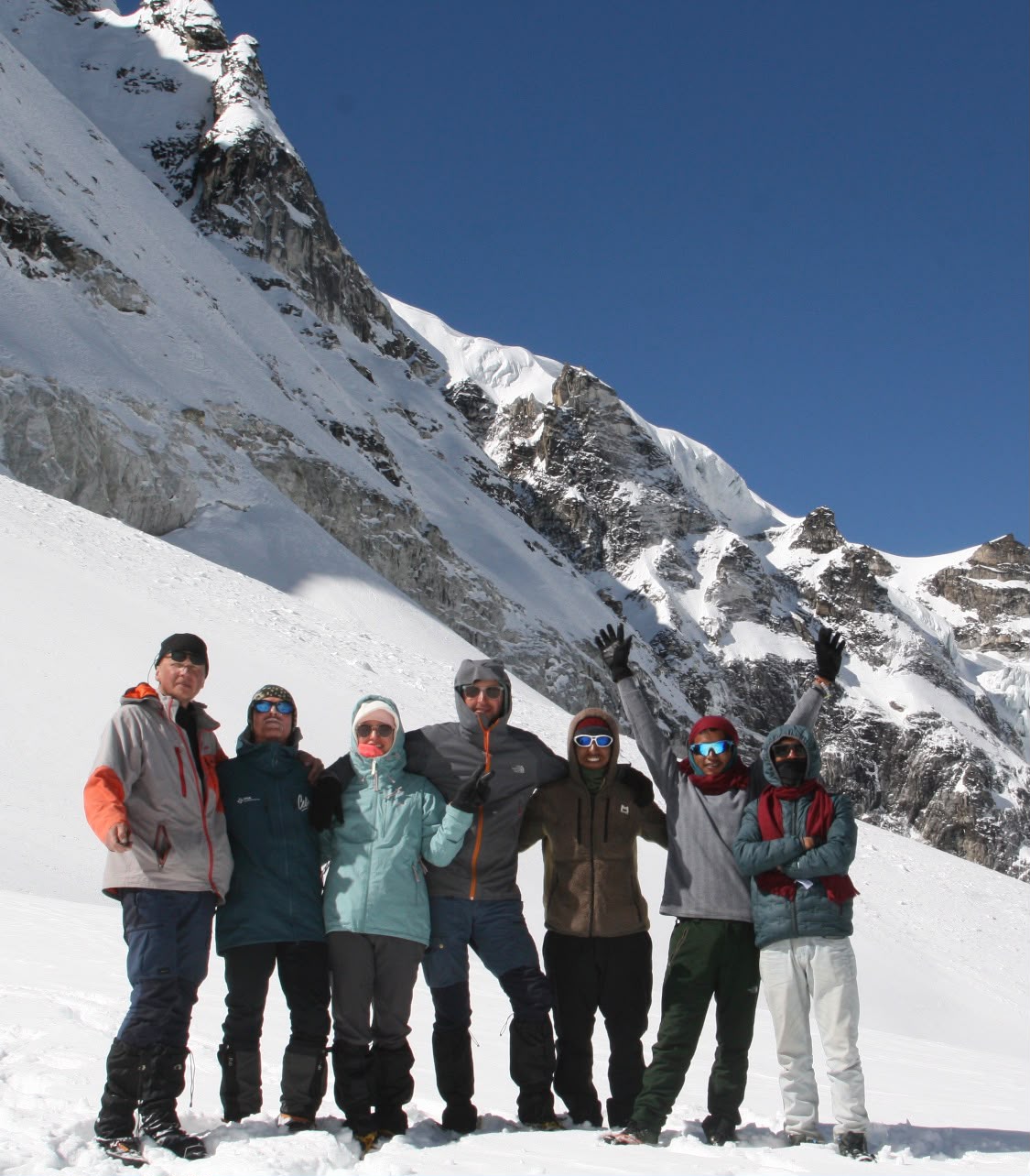
For Red Reach Himalaya, this route is especially meaningful because our team has recently completed the trek. Our guide has returned with valuable first-hand experience of the route, its challenges and the realities of travelling through this remote section of the Himalaya.
We want to share that experience with trekkers who are looking for something beyond Nepal’s familiar trekking routes.
Tillman Pass is not a trek to choose simply because it looks adventurous on a map. It is a demanding expedition for experienced trekkers who understand the mountains, prepare properly and are ready for the challenges of remote Himalayan travel.
Where Is Tillman Pass?
Tillman Pass lies in the high mountains between the Panch Pokhari area and the Langtang region of north-central Nepal. The pass is associated with British explorer and mountaineer H. W. Tilman, who explored parts of the Nepal Himalaya during the mid-twentieth century. Unlike established trekking corridors with regular settlements and teahouses, the high section of this route passes through remote alpine terrain. Camping, navigation, weather and the condition of the ground become central to the journey.
The Red Reach Himalaya itinerary begins with a drive from Kathmandu to Chimti and a trek towards Panch Pokhari. From the sacred lakes, the route continues through Tin Pokhari and the high camps before crossing Tillman Pass. The journey then proceeds towards the Langshisha Glacier area before descending to Kyanjin Gompa in the Langtang Valley. This route brings together two distinctive Himalayan landscapes: the sacred lakes and remote high country on one side, and the dramatic mountains and traditional settlements of Langtang on the other.
Why Is the Tillman Pass Trek Special?
A Remote Himalayan Crossing. Tillman Pass is not simply a longer version of a popular trekking route. Its remoteness changes the nature of the expedition. The high section has limited facilities, and the team must carefully plan camping, food, equipment and route logistics.
For trekkers who want to experience the less-travelled side of Nepal, this isolation is a major part of the attraction.
The Sacred Lakes of Panch Pokhari
Panch Pokhari means “Five Lakes” in Nepali. Located high in the mountains, the lakes are an important Hindu pilgrimage destination and a place of natural beauty. Pilgrims visit the area, particularly during Janai Purnima. For trekkers, the lakes offer a rare combination of spiritual significance, mountain scenery and a sense of distance from everyday life. Spending a night in this area allows time to appreciate the surroundings before continuing towards the more demanding high-altitude section.
The High Camps and Tillman Pass
Beyond Panch Pokhari, the route enters increasingly remote terrain, passing Tin Pokhari and the high camps before reaching Tillman Pass at approximately 5,320 metres. At this elevation, the journey demands more than physical fitness. Snow, ice, rocky ground, wind and poor visibility can make progress difficult, depending on conditions. The crossing requires experienced leadership, careful preparation and a willingness to change plans when necessary.
The Langshisha Glacier and Langtang Valley
After crossing the pass, the expedition continues through the remote high-mountain landscape towards the Langshisha Glacier area, where the team camps overnight. The following day, the route descends towards Kyanjin Gompa, a mountain settlement known for its Buddhist heritage, traditional architecture and impressive views of the surrounding Himalayan peaks. After several days of remote camping, reaching Kyanjin Gompa brings a welcome change of surroundings and access to lodge accommodation.
Why Is This Trek Rarely Attempted?
Tillman Pass is not a route for everyone. Its remoteness, high altitude and demanding terrain make it a very different undertaking from trekking routes with established lodges and regular services. There are several reasons why relatively few trekkers choose this crossing. Remote camping: Much of the high route requires organised camping rather than relying on teahouses. Food, shelter, equipment and support staff must be planned in advance. High altitude: The pass reaches approximately 5,320 metres. At this elevation, even experienced trekkers can experience altitude-related problems, fatigue and reduced physical performance.
Difficult terrain: Rocky slopes, snow, ice and glacial terrain may affect the route. The precise conditions determine what equipment and technical skills are needed.
Changing mountain weather: Snowfall, wind and poor visibility can make a crossing unsafe. A suitable weather window is essential.
Limited alternatives: In remote terrain, an injury, sudden weather change or impassable section can require a significant change of plan. Emergency arrangements must be considered before departure.
These factors explain why Tillman Pass is better approached as a properly supported expedition than as an ordinary trekking holiday. We do not claim that it is Nepal’s rarest trek, because reliable figures on annual crossings are not readily available. What we can say is that it is a remote and demanding route that requires serious preparation.
What Makes the Tillman Pass Trek Challenging?
High Altitude
The itinerary reaches more than 5,000 metres, where the risk of altitude illness increases. Previous trekking experience is valuable, but it does not eliminate this risk. Proper acclimatisation, a sensible pace and close attention to symptoms are essential.
Long Walking Days
Some days involve five to eight hours of walking, with demanding terrain and remote camping. The pass-crossing day is particularly important because altitude, weather and ground conditions can make progress slower than expected.
Basic Camping Conditions
The high section does not offer the regular comfort of lodge-based trekking. Trekkers should be prepared for cold nights, basic facilities and a more self-sufficient style of expedition.
Route-Finding and Mountain Judgement
Remote high-altitude terrain requires experienced navigation and sound decisions. Depending on actual conditions, specialist equipment and technical mountain skills may be necessary. The expedition leader must be prepared to delay or abandon the crossing if conditions are unsafe.
Who Should Consider the Tillman Pass Trek?
This trek is best suited to experienced trekkers who have already completed demanding multi-day routes and are comfortable with high altitude, long walking days and basic camping. Previous high-altitude experience is strongly recommended. Trekkers should be physically prepared and willing to follow the guide’s instructions throughout the expedition. If the route conditions require glacier travel, crampons, ropes or other technical equipment, participants must have the appropriate skills and the expedition must have suitably qualified leadership.
This is not a recommended first Himalayan trek. It is also not the right choice for travellers seeking comfortable accommodation every night or a guaranteed crossing regardless of the weather. Before confirming a departure, Red Reach Himalaya should discuss each traveller’s previous experience, fitness, equipment and expectations.
When Is the Best Time to Trek Tillman Pass?
Spring and autumn are traditionally considered for high-altitude trekking in Nepal. However, the suitability of Tillman Pass depends on actual mountain conditions rather than the season alone.
Spring: Conditions may be suitable during an appropriate weather window, but snow and ice can remain significant at the pass.
Autumn: This is often considered for clearer mountain conditions, although cold, snowfall and changing weather remain possible.
Monsoon and winter: These periods can introduce additional complications, including heavy precipitation, poor visibility, snow and difficult terrain. A crossing should not be assumed feasible simply because a departure is scheduled.
For this route, the guide’s assessment of snow, weather, visibility and ground conditions should determine whether the crossing can proceed.
Travellers should also confirm the planned departure window with Red Reach Himalaya before making international travel arrangements.
Safety on a Remote Himalayan Expedition
Remote mountain travel requires careful preparation and sound judgement throughout the journey. Before departure, the trekking team should confirm the route, camp locations, current conditions, required permits, communication arrangements and emergency evacuation options. During the trek, the guide should monitor the group’s condition and adjust the pace when necessary. Headache, nausea, dizziness, unusual fatigue or worsening breathlessness should never be ignored. Suspected altitude illness may require immediate descent and medical assistance. Appropriate first-aid equipment, emergency supplies and a realistic plan for delays are also important.
The group must be prepared for changes to the itinerary. Weather and mountain conditions can make a planned crossing unsafe, and no responsible operator should promise that the pass will always be crossed.
A successful expedition is not just about crossing the pass. It is about making sound decisions throughout the journey and bringing everyone home safely.
Tillman Pass Trek: The 16 – Day Itinerary
Day 01 – Arrival in Kathmandu
Arrive at Tribhuvan International Airport, where a Red Reach representative will meet you and transfer you to your hotel. The remainder of the day is available for rest and preparation. Overnight in Kathmandu.
Day 02 – Drive to Chimti and Trek to Tuppi Danda (2,720 m)
Drive from Kathmandu to Chimti, approximately four hours according to the planned itinerary. Begin trekking towards Tuppi Danda, with approximately four hours of walking through the hills and changing landscapes. Overnight at Tuppi Danda.
Day 03 – Trek to Soshyampati (3,700 m)
Continue uphill towards Soshyampati. Although the planned walking time is around three hours, the significant gain in elevation makes it important to walk steadily and allow time to adjust. Overnight at Soshyampati.
Day 04 – Trek to Panch Pokhari (4,070 m)
Continue towards the sacred lakes of Panch Pokhari. The trail enters higher mountain terrain, leading to one of the most distinctive destinations on the trek. Overnight at Panch Pokhari.
Day 05 – Explore the Five Lakes
Spend the day exploring Panch Pokhari and its five sacred lakes. Enjoy the mountain scenery and learn about the area’s religious significance. The day also provides time to rest before continuing into the more remote high country. Overnight at Panch Pokhari.
Day 06 – Trek to Intermediary Camp (4,273 m)
Leave Panch Pokhari and continue through increasingly rugged terrain towards the intermediary camp. The expedition becomes more isolated as the route moves away from established trekking facilities. Overnight at Intermediary Camp.
Day 07 – Trek to Tin Pokhari (4,255 m)
Continue towards Tin Pokhari, a high-altitude lake area. The day’s walk takes approximately five to six hours, with the terrain and altitude demanding steady progress. Overnight at Tin Pokhari.
Day 08 – Trek to High Camp (4,867 m)
Trek towards High Camp, preparing for the Tillman Pass crossing. The route enters exposed high-mountain terrain, and the team must check the weather, equipment and conditions before proceeding. Overnight at High Camp.
Day 09 – Cross Tillman Pass (5,320 m) and Continue to North High Camp
Begin early, following the guide’s assessment of the weather and route conditions. Cross Tillman Pass at approximately 5,320 metres before descending towards North High Camp. This is the defining day of the expedition, requiring careful navigation, suitable equipment and experienced leadership. Overnight at North High Camp. The campsite and elevation should be confirmed by the guide.
Day 10 – Trek to Langshisha Glacier Area and Camp
Continue through the remote high-mountain landscape towards the Langshisha Glacier area. After the demanding pass crossing, the route continues through rugged terrain before the team establishes camp for the night. This overnight stop is an important part of the itinerary. The journey is not planned as a single long day from the pass to Kyanjin Gompa. Overnight at the Langshisha Glacier area.
Day 11 – Trek to Kyanjin Gompa (3,870 m)
Descend towards Kyanjin Gompa in the Langtang Valley. After several days of remote camping, reaching this mountain settlement brings a welcome change of surroundings, with lodge accommodation and views of the surrounding Himalayan peaks. The planned walking time is approximately five hours, subject to the exact campsite and trail conditions. Overnight at Kyanjin Gompa.
Day 12 – Rest Day at Kyanjin Gompa
Enjoy a rest day in Kyanjin Gompa. Explore the settlement or relax and appreciate the mountain scenery. Keep any additional walking optional after the demanding high-altitude section. Overnight at Kyanjin Gompa.
Day 13 – Trek to Lama Hotel (2,480 m)
Descend through the Langtang Valley towards Lama Hotel. The trail passes through mountain settlements and forested sections as the landscape changes with the lower elevation. Walking time is approximately seven to eight hours. Overnight at Lama Hotel.
Day 14 – Trek to Thulo Syabru
Continue towards Thulo Syabru through the Langtang trekking region. Enjoy the changing scenery and opportunities to observe local village life. Walking time is approximately seven to eight hours, subject to the confirmed route. Overnight at Thulo Syabru.
Day 15 – Trek to Dhunche and Drive to Kathmandu
Continue towards Dhunche and travel by road back to Kathmandu. Road conditions and traffic can affect the driving time, so flexibility is important. Overnight in Kathmandu, if included in the confirmed arrangement.
Day 16 – Departure from Kathmandu
Transfer to Tribhuvan International Airport for your onward flight. Your Tillman Pass expedition comes to an end.
The Red Reach Himalaya Approach
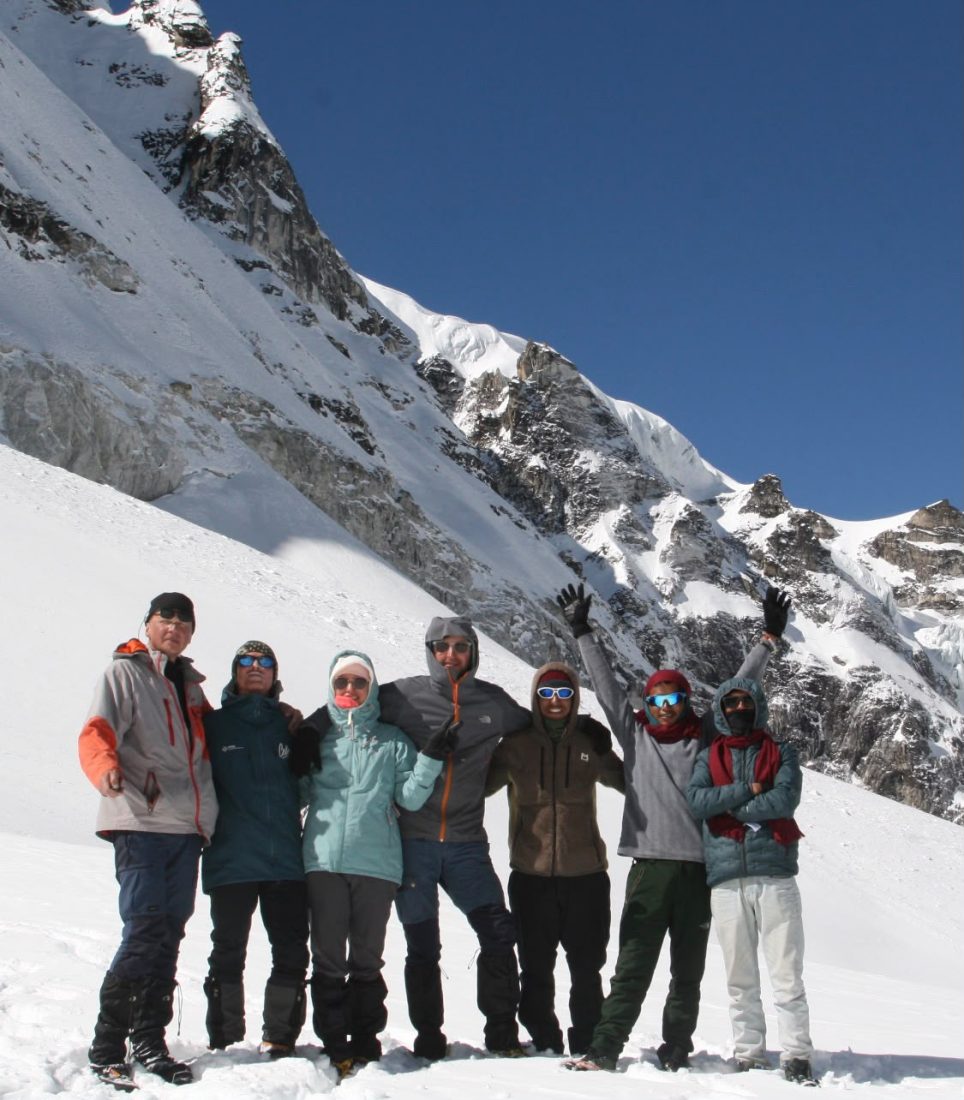
For us, a remote trek is not made special simply by describing it as extreme. What matters is the quality of preparation, the experience of the people leading it and the care taken with the travellers who place their trust in us. Our team’s recent Tillman Pass journey gives us valuable first-hand experience to draw upon when planning future departures. We want to use that experience to help prospective trekkers understand the route, prepare properly and make informed decisions about whether this demanding expedition is right for them. We also recognise that remote mountain routes change. Each departure must be assessed according to current conditions, the team’s readiness and the guide’s judgement. If you are considering the Tillman Pass Trek, tell us about your previous high-altitude trekking experience and what you hope to achieve. We can discuss the route, preparation and practical arrangements before planning your journey.
Explore the Tillman Pass Trek with Red Reach Himalaya. Visit redreachhimalaya.com to contact our team and discuss a private departure. For us, the best Himalayan journey is one that matches the traveller, respects the mountains and is planned with care. Read our reviews.