Chhath Festival in Janakpur: A Celebration of Faith, Light and Life That You Should Not Miss
There are festivals you visit to enjoy the celebrations, and then there are festivals that make you stop, observe and feel something deeper. Chhath in Janakpur belongs to the second kind.
As the afternoon sun slowly moves towards the horizon, the banks of Janakpur’s sacred ponds begin to fill with people. Families arrive carrying beautifully arranged bamboo baskets, colourful offerings, sugarcane, fruits and traditional sweets. Women dressed in their finest traditional clothes walk towards the water, while children, elderly people and other family members gather around them. The atmosphere gradually changes. Conversations become quieter, devotional songs fill the air, and thousands of eyes turn towards the setting sun. This is Chhath, one of the most remarkable religious and cultural celebrations in Nepal. And if there is one place where a visitor can experience its spirit in a particularly memorable way, it is Janakpur, the historic heart of the Mithila region.
For anyone interested in Nepal beyond its mountains, trekking trails and famous temples, witnessing Chhath in Janakpur is an experience worth travelling for.
Why is Chhath so special?
Chhath is dedicated to Surya Dev, the Sun God, and Chhathi Maiya. It is primarily a festival of gratitude, discipline, devotion and respect for nature. The sun gives energy to the earth, supports agriculture and sustains life. Water, too, is essential to every living being. Through Chhath, devotees express their gratitude for these gifts and pray for the health, happiness, prosperity and long life of their family members. One of the most beautiful aspects of this festival is that devotees worship both the setting sun and the rising sun. Most people associate the sun with its strength and brightness during the day. Chhath, however, gives equal importance to the evening sun as it does to the morning sun.
There is a beautiful thought behind this practice: gratitude is not reserved only for new beginnings and moments of strength; it is also offered when the day comes to an end. The festival is observed with great devotion across the Terai, particularly in the Mithila region of Nepal and neighbouring parts of India. However, Janakpur gives the celebration a distinctive cultural setting, with its sacred ponds, traditional Mithila heritage and deep connection to Hindu mythology.
Janakpur: Where the festival becomes part of the city
Janakpur is not just another destination on Nepal’s travel map. It is widely regarded as the birthplace of Goddess Sita and an important centre of the ancient Mithila civilisation. Its religious heritage, colourful traditions, art, architecture and everyday cultural life make it one of the most interesting places to explore in the country’s southern plains. During Chhath, the entire city seems to prepare for something special.
The ponds that are part of Janakpur’s religious and social life throughout the year become the centre of attention. Ganga Sagar, Dhanush Sagar, Ratna Sagar, Agnikund, Bihar Kunda, Dasharath Talau and other sacred water bodies attract large numbers of devotees. The ghats are cleaned and decorated. Temporary structures, colourful lights, flowers and traditional decorations give the surroundings a festive appearance. Families prepare their offerings at home, while local communities and festival committees work together to make arrangements around the ponds. Ganga Sagar is particularly important during this celebration. Located close to the famous Janaki Temple, it becomes one of the main gathering places for devotees. But what makes Janakpur special is not simply the number of people who attend. It is the way the festival brings the city together. People return to their hometowns to celebrate with their families, neighbours meet after long periods, and generations come together to continue traditions that have been passed down over many years. For a visitor, it is a wonderful opportunity to see the living culture of Mithila rather than just read about it.
Four days of devotion: Understanding Chhath
Chhath is generally observed over four days during the Hindu lunar month of Kartik, usually falling in October or November. Each day has its own significance and preparation.
Day One – Nahay Khay
The festival begins with Nahay Khay, a day associated with purification and preparation. Devotees take a ritual bath and clean their homes and kitchens. Food is prepared with particular attention to cleanliness and traditional practices. The meal is generally simple and vegetarian. In many households, traditional preparations include rice, lentils and vegetables. For the families observing the festival, this is the beginning of a period of discipline. Everything is prepared with care because the coming days involve strict fasting and worship.
Day Two – Kharna
The second day is known as Kharna. Devotees observe a fast throughout the day and break it in the evening after completing their prayers. Traditional food, often including kheer prepared with jaggery and roti, is offered before being shared as prasad. After Kharna, devotees begin the more demanding fasting period, which continues through the main evening and morning rituals.
Day Three – Sandhya Arghya: Worship of the setting sun
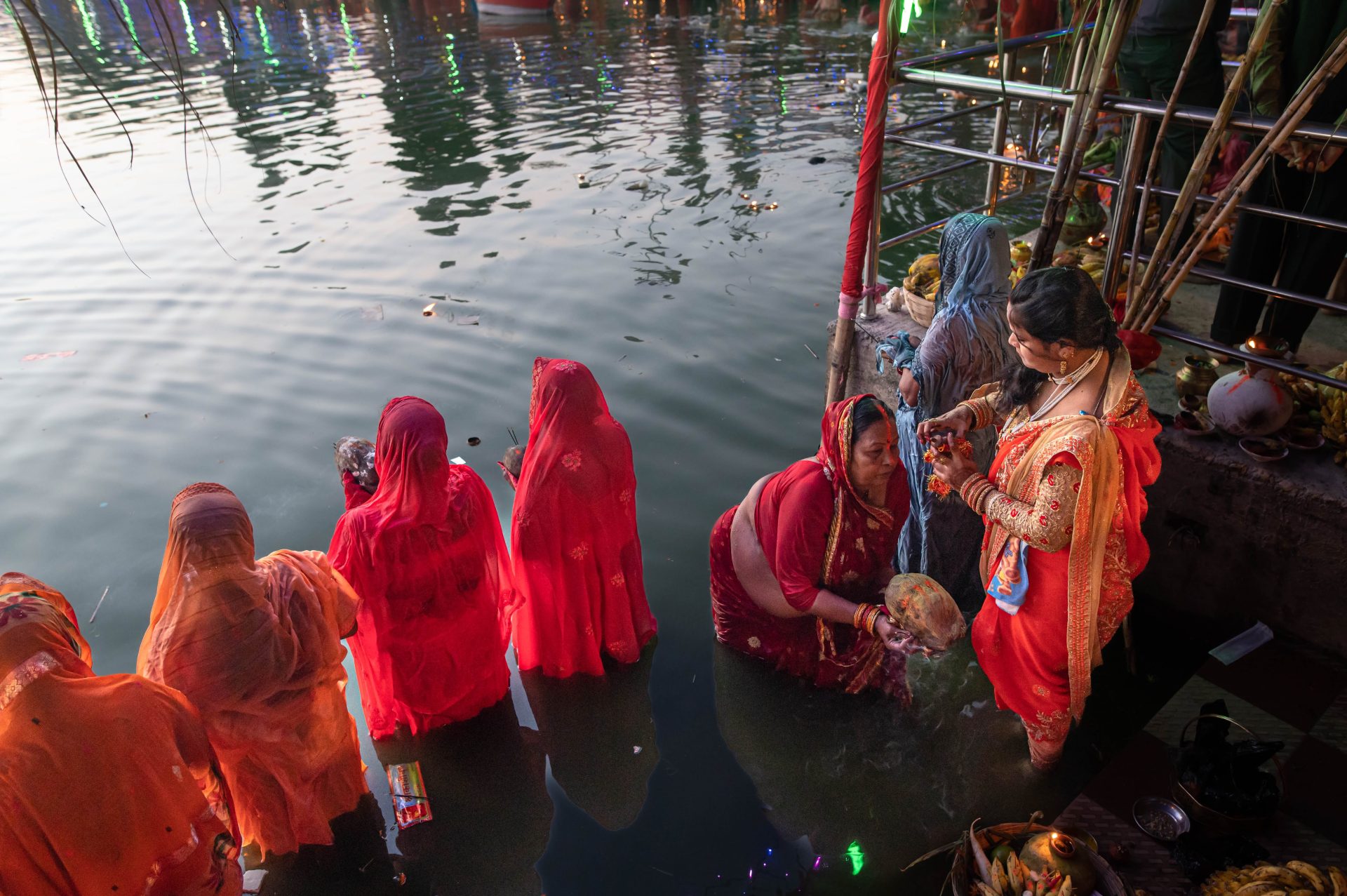
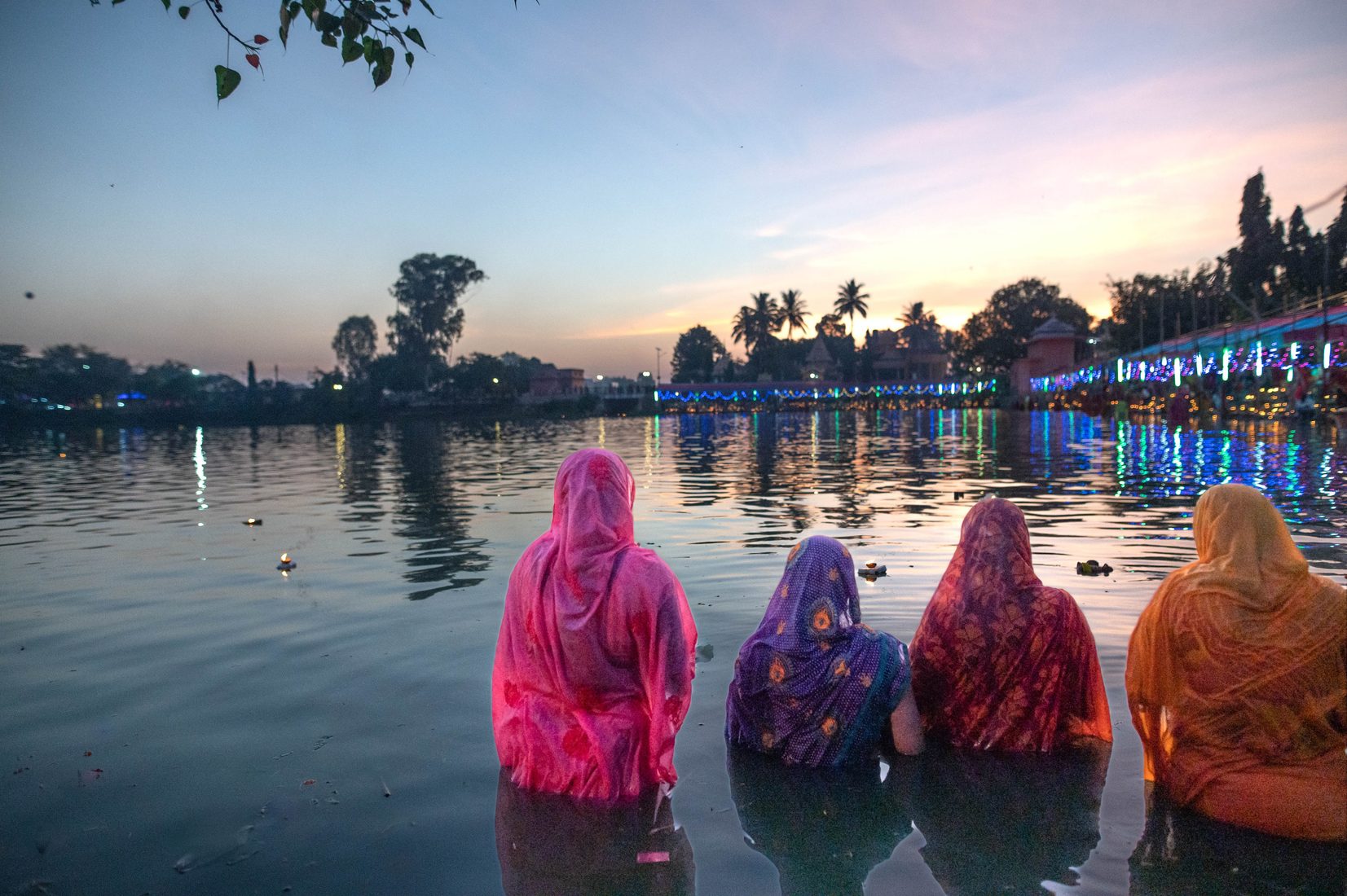
This is the evening that many visitors remember most vividly. As sunset approaches, devotees make their way towards the ponds and riverbanks carrying baskets filled with fruits, sugarcane, coconuts, thekuwa and other traditional offerings. The main ritual is known as Sandhya Arghya, the offering of prayers and water to the setting sun. Women observing the fast stand in the water, often surrounded by family members. Some hold offerings in their hands, while others arrange their baskets along the ghats. As the sun begins to descend, the atmosphere becomes deeply spiritual. Traditional Chhath songs are sung, prayers are offered, and the entire gathering turns towards the western sky. It is difficult to describe the sight adequately. The reflection of the setting sun on the water, the colourful clothing, the decorated ghats and the quiet devotion of thousands of people create a scene that is both beautiful and moving. For photographers, this is one of the most rewarding moments of the festival.
Day Four – Usha Arghya: Welcoming the rising sun
The celebration is not complete with sunset. Before dawn the following morning, devotees return to the ponds to offer prayers to the rising sun. The early morning atmosphere is very different from the previous evening. There is a sense of calm, anticipation and togetherness. As the first rays of sunlight appear, devotees offer Arghya to Surya Dev. This marks the completion of the main Chhath rituals. After the morning prayers, the fast is concluded and prasad is distributed among family members, neighbours and visitors. Thekuwa, fruits and other offerings are shared, bringing the four-day observance to a meaningful conclusion.
The beauty lies in the smallest details
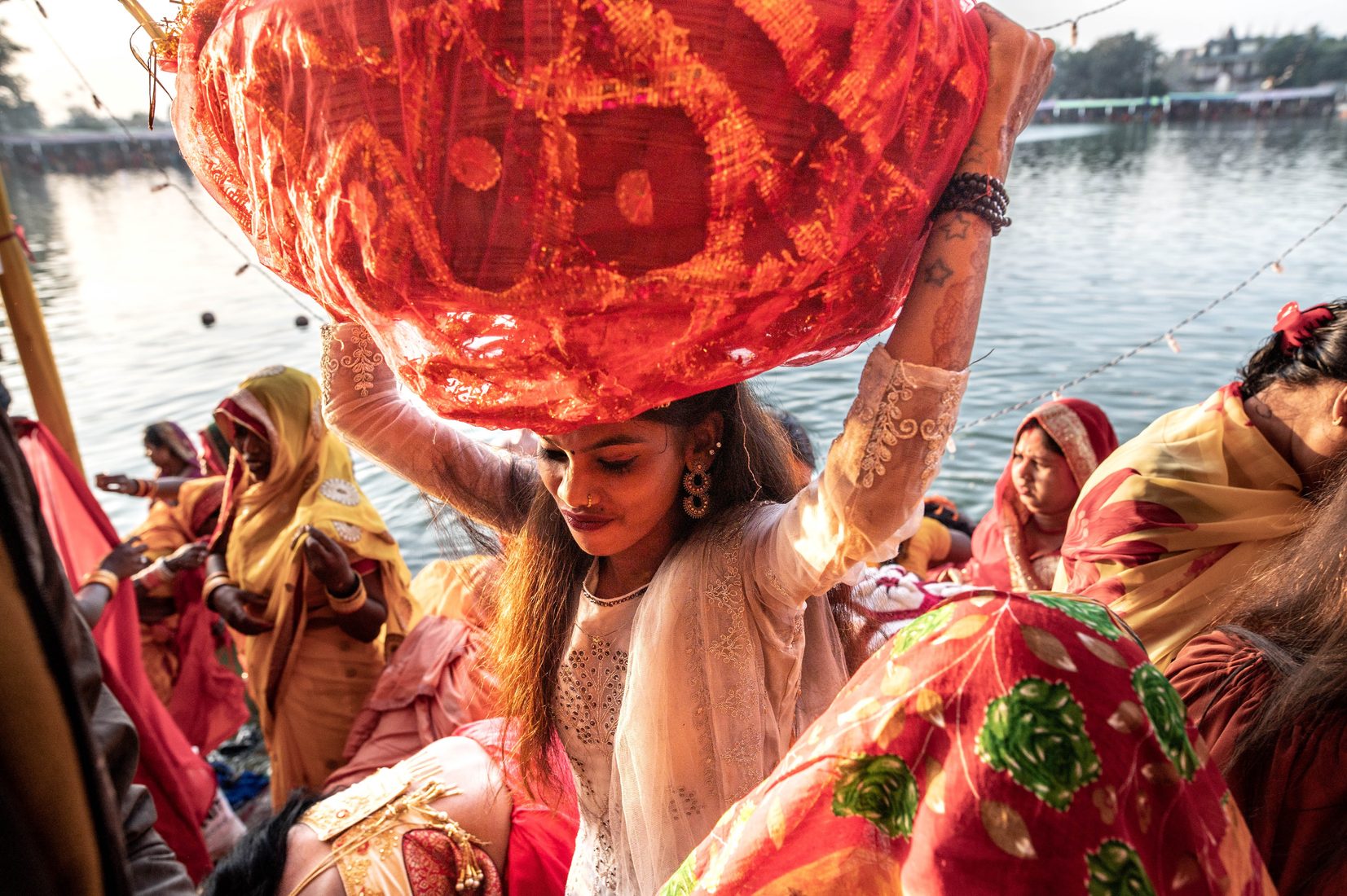
If you visit Janakpur during Chhath, do not concentrate only on the main ceremonies. Some of the most interesting experiences happen around the preparations. Look at the traditional bamboo baskets and winnowing trays used to arrange the offerings. Notice the sugarcane stalks placed around the worship areas, the fresh fruits, coconuts and homemade sweets. Observe how carefully families prepare everything before taking it to the ponds. Thekuwa, a traditional homemade sweet prepared especially for Chhath, is among the most recognisable offerings. Its preparation is part of the festival itself, with recipes and methods often passed from one generation to another. Traditional songs are another important part of the experience. They are not simply background music. They carry stories of devotion, family relationships, nature and religious beliefs. Many songs are sung in the local Maithili language, giving the festival a strong regional identity. You may also notice the involvement of men, children and elderly family members. Although women are traditionally the principal devotees observing the fast, Chhath is very much a family and community celebration. It is this combination of personal devotion and collective participation that makes the festival so distinctive.
A photographer’s paradise
Janakpur during Chhath offers something special to anyone who enjoys photography. There are opportunities to capture much more than the familiar picture of devotees standing in water. The real story is in the expressions, preparations, colours, reflections and human connections. The evening offering at Ganga Sagar can be particularly rewarding. The changing light, decorated surroundings and gathering of devotees provide a wonderful setting for photography. The early morning ceremony offers a completely different atmosphere. Soft light, the first rays of the sun and the devotion of families create opportunities for beautiful photographs. Some moments worth looking out for include:
- Women dressed in traditional sarees carrying bamboo baskets filled with offerings.
- Close-up photographs of thekuwa, fruits, coconuts and sugarcane.
- Families preparing their offerings before leaving home.
- The colourful decorations around the sacred ponds.
- Devotees standing in the water during sunset.
- The reflection of lamps and lights on the water.
- The first sunlight falling on the faces of devotees during the morning Arghya.
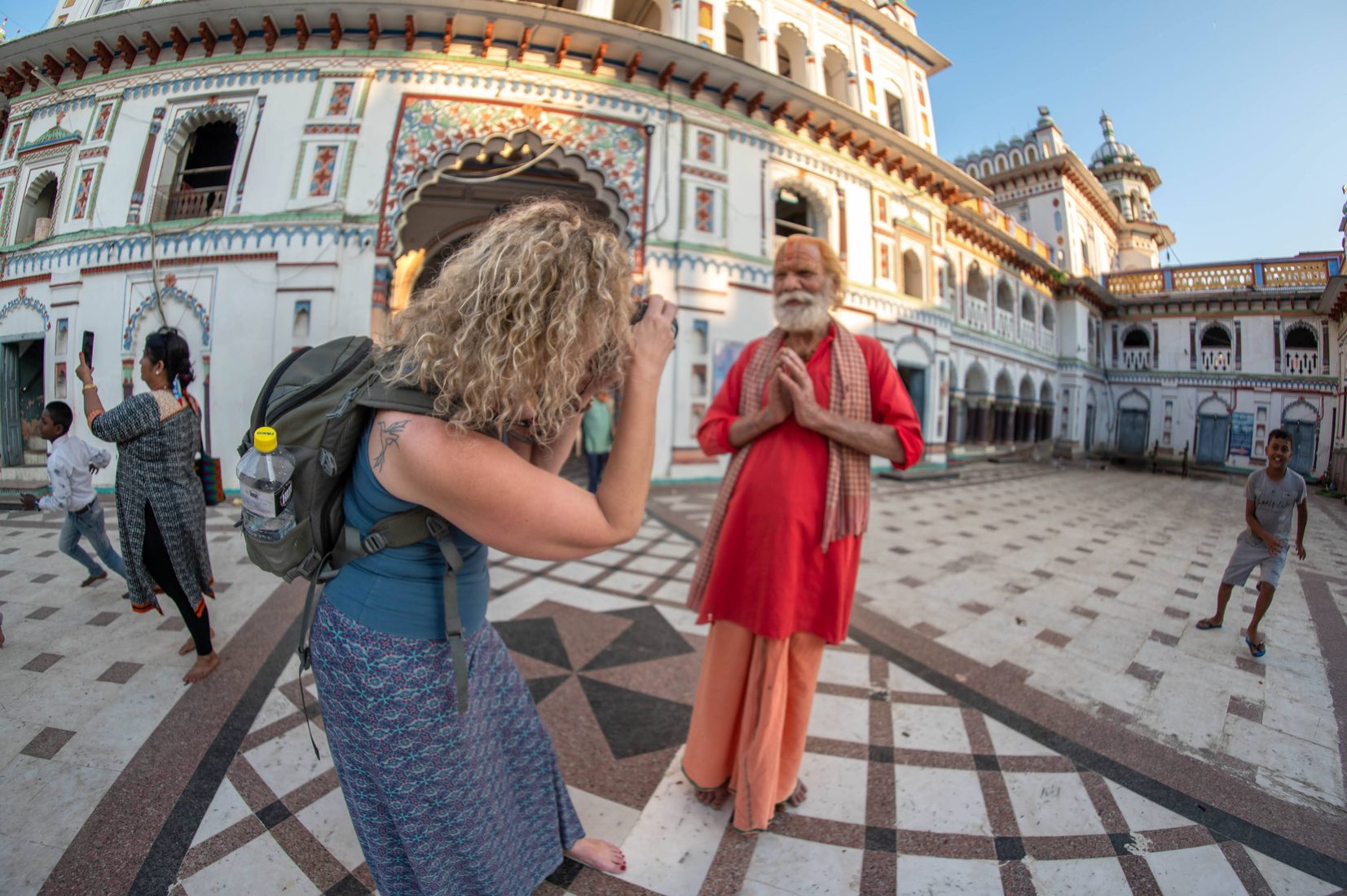
However, remember that Chhath is a deeply personal religious observance, not a staged cultural performance. Always respect people’s privacy, ask permission before taking close-up portraits and avoid obstructing devotees during prayers. A good photograph should preserve the dignity of the moment as much as its beauty.
More than a religious festival: A living expression of Mithila culture
One reason I would recommend Chhath to international visitors is that it offers an opportunity to understand the cultural identity of the Mithila region. Mithila has a long tradition of art, language, music, religious practices and family customs. Its distinctive painting tradition, colourful festivals and close connection with the Ramayana are important parts of Nepal’s cultural heritage. Janakpur is at the heart of this heritage. The magnificent Janaki Temple, the sacred ponds, local markets and traditional neighbourhoods offer plenty to explore. Chhath adds another dimension to the experience. It allows visitors to see how faith is practised in everyday life, how traditions survive through generations and how a community comes together around a shared belief. You do not need to understand every prayer or know the meaning of every ritual to appreciate what is happening. Sometimes simply watching the devotion and togetherness is enough. It is also a reminder that Nepal’s cultural richness extends far beyond the Kathmandu Valley and the Himalayan trekking regions.
Planning a visit to Janakpur during Chhath
Chhath generally takes place in October or November, according to the lunar calendar. Since the dates change each year, visitors should check the festival calendar before planning their journey. Janakpur can be reached by air from Kathmandu, with a flight taking approximately 40 minutes, or by road. The city has accommodation ranging from budget hotels to more comfortable options. If you are planning to witness Chhath, I recommend staying for at least two nights, preferably three. This gives you enough time to explore Janakpur, visit the Janaki Temple and other cultural attractions, and experience both the evening and early morning ceremonies. Ganga Sagar is one of the most popular locations, but other ponds and ghats also offer opportunities to observe the celebrations.
A few practical suggestions:
- Book your hotel well in advance, as accommodation can become busy during the festival. Contact us.
- Arrive at the main ghats early, particularly on the evening of Sandhya Arghya.
- Visit the following morning for Usha Arghya; it is equally important and offers a different atmosphere.
- Wear comfortable clothing and footwear suitable for crowded areas.
- Follow local instructions and respect the religious practices of devotees.
- Carry your camera, but remember that you are visiting an active place of worship.
Most importantly, allow yourself enough time. Chhath is not an event to rush through in an hour.
Should you experience Chhath in Janakpur?
Absolutely. If your idea of travelling in Nepal includes meeting people, understanding local traditions and experiencing the country beyond the usual tourist attractions, Chhath in Janakpur deserves a place on your travel list. You will see a city transformed by faith, families united by tradition, and thousands of devotees expressing gratitude to the sun that sustains life. You will witness two beautiful moments — the farewell to the setting sun and the welcome given to the rising sun. Between those moments, you will discover the warmth, hospitality and cultural richness of Mithila. And perhaps that is what makes Chhath so memorable. It does not need grand stages, performances or elaborate arrangements to impress a visitor. Its beauty comes from the devotion of ordinary people and the traditions they continue to preserve.
Come to Janakpur not just to see Chhath, but to experience the people, the traditions and the spirit of Mithila. It is one of those experiences that stays with you long after your journey has ended. At Red Reach Himalaya, we believe that travelling in Nepal should be about more than visiting places. It should also be about discovering the people, traditions and experiences that make each destination special. If you would like to experience Chhath in Janakpur, we would be happy to help you plan a cultural journey around the festival. We have bunches of treks and tours that you can combine this fabulous tours, we can help you to plan.