Our Great Himalayan Trail: Across the Himalayas of Nepal
The Great Himalayan Trail (GHT) is one of Nepal’s most ambitious trekking journeys, linking a network of existing trails across the Himalayan region from east to west.
It is not one single continuous trail. The GHT connects different trekking routes, remote mountain paths and high passes, allowing trekkers to experience some of the most diverse parts of Nepal. The complete journey is a major undertaking, but you do not have to walk the entire trail. Many trekkers choose one or several sections according to their time, experience and interests.
A Trek Through Many Faces of Nepal
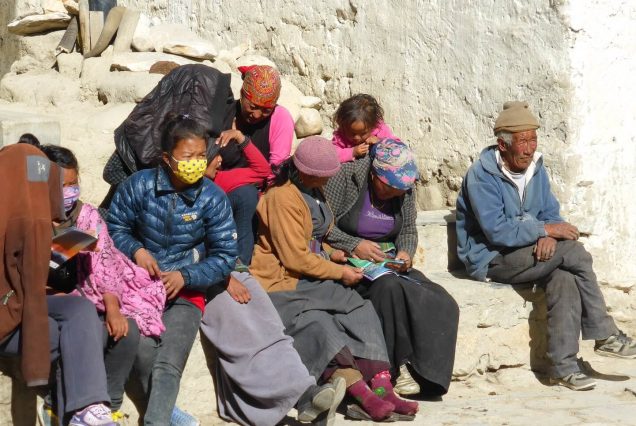
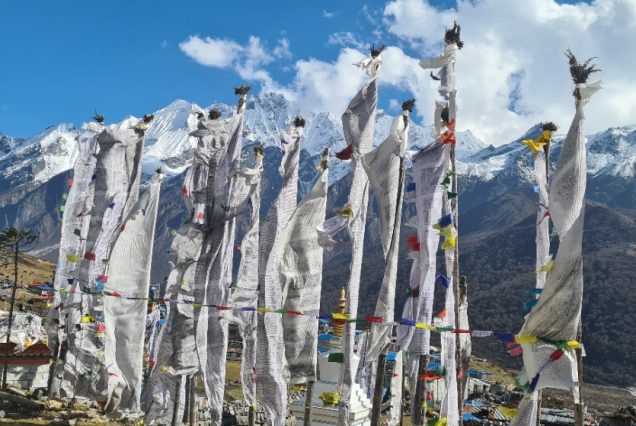
One of the best things about the Great Himalayan Trail is the variety along the way. The routes pass through terraced hillsides, traditional villages, forests, alpine meadows and high mountain valleys. As you move from one region to another, the landscape changes, and so do the communities, culture and daily way of life. One day you may be walking through a quiet mountain village, and the next you could be crossing a high Himalayan pass surrounded by snow and rock. The opportunity to meet people from different communities and experience their traditions and hospitality is an important part of the journey.
High Passes and Himalayan Views
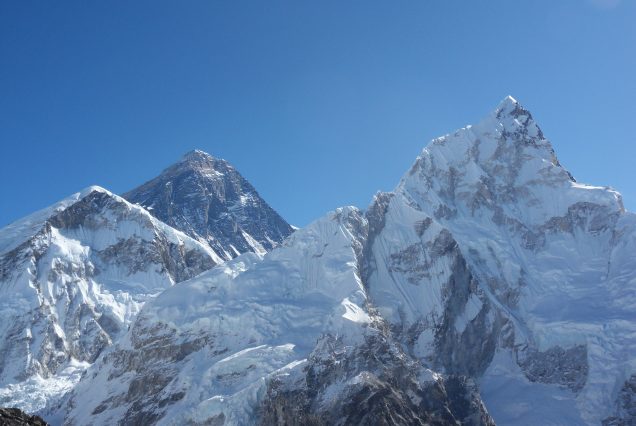
The GHT includes some of Nepal’s most demanding high-altitude terrain. Depending on the section, the journey can take you across high passes such as Thorong La and into remote areas around Makalu, Everest, Langtang, Manaslu and Kanchenjunga.
The mountains are naturally a major part of the experience, but the GHT is about more than reaching a viewpoint or seeing famous peaks. Much of its character comes from the journey between them—the remote trails, changing landscapes, small settlements and long stretches where you may see very few other trekkers.
A Serious Himalayan Adventure
The Great Himalayan Trail should not be taken lightly. Some sections are remote and physically demanding, with high passes, long walking days, changing weather and limited facilities.
Good preparation, suitable equipment and proper acclimatization are important. Depending on the route, some sections may also require camping and a stronger level of logistical support. For this reason, we plan GHT journeys around the individual traveller rather than offering one standard itinerary. We can help you choose a section that matches your experience, available time and interest in adventure.
Responsible Travel in Remote Nepal
Many GHT routes pass through communities where tourism provides an important source of income. Staying in locally operated lodges, working with local guides and porters, and travelling responsibly can help ensure that tourism benefits the people living along the trail.
The mountain environment also deserves the same care. These are fragile landscapes, and responsible trekking means respecting local communities, managing waste properly and leaving as little impact as possible.
Why Trek the Great Himalayan Trail?
The Great Himalayan Trail is not simply one very long trek. It is a way to experience Nepal from east to west, passing through landscapes and communities that many travellers never get to see.
You can choose a demanding high-altitude section, combine several regions into a longer journey, or explore a quieter part of the Himalayas away from Nepal’s more established trekking routes.
If you are looking for a serious Himalayan adventure, the Great Himalayan Trail offers the chance to experience Nepal slowly, on foot, and well beyond the usual trails.
At Red Reach Himalaya, we can design a GHT journey around your experience, interests and available time—from a challenging section to a longer expedition across the Himalayas.