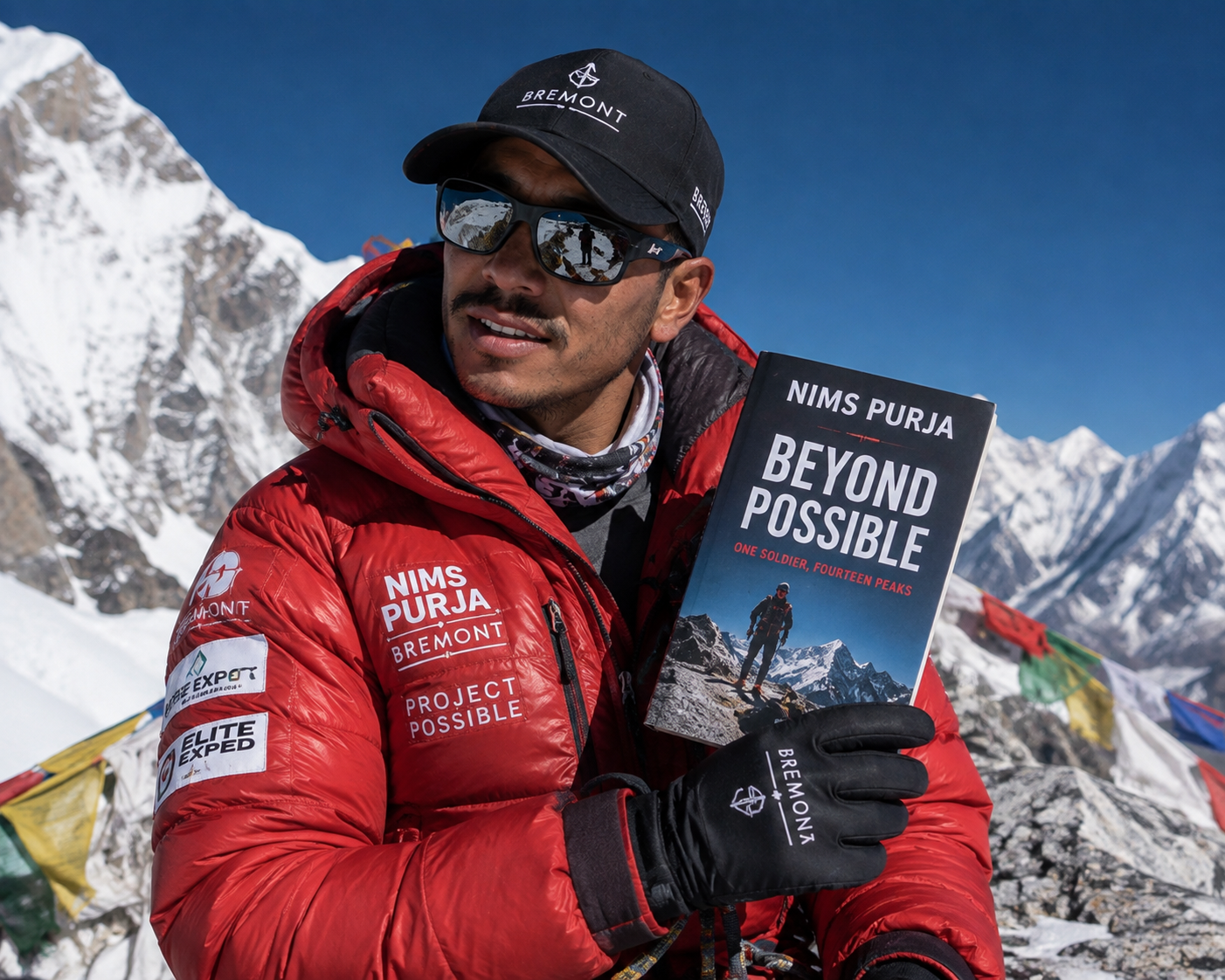
Nims Dai: How One Nepali Climber Changed Himalayan Mountaineering. There are some people whose achievements become part of history. And then there are people who change the way history is written. Nirmal “Nims Dai” Purja was one of them.His death on Broad Peak in Pakistan on July 30, 2026, following a devastating avalanche, has left a huge void in the mountaineering world. He was only 43. The expedition he was leading lost all of its members in the tragedy. For many people around the world, Nims Dai will be remembered for the numbers: 14 eight-thousanders in 189 days, the first winter ascent of K2, and a collection of mountaineering records that seemed almost impossible when he achieved them. But in Nepal, I believe his legacy goes beyond records. Nims Dai changed the conversation around who leads Himalayan expeditions, who gets recognised for mountain expertise, and how Nepali climbers are seen by the rest of the world. That may ultimately be more important than any number in a record book.
From mountain worker to expedition leader
Nepal has produced exceptional climbers for generations. Long before Nims Dai became internationally famous, Sherpas and other Nepali mountain workers were carrying loads, fixing ropes, opening routes, guiding expeditions and helping foreign climbers reach some of the highest points on Earth. Their contribution to Himalayan mountaineering has never really been in doubt. What has often been missing is recognition. For decades, the international image of a Himalayan expedition was frequently centred around the foreign climber attempting the summit, while the Nepali climbers behind the expedition remained largely in the background. Nims Dai helped change that. He did not simply demonstrate that a Nepali could climb the world’s highest mountains. Nepali climbers had already demonstrated that many times.He demonstrated that a Nepali climber could be the face, leader and decision-maker of a major international expedition. That is an important difference. The relationship was no longer simply the foreign climber hiring local mountain expertise. The Nepali climber himself became the expedition leader. That shift matters.
The 189-day project that changed everything
In 2019, Nims Dai announced what sounded almost ridiculous at the time: he would attempt to climb all 14 of the world’s mountains above 8,000 metres. He called it Project Possible. The previous record for climbing all 14 peaks was measured in years. Nims Dai completed the challenge in just 189 days. The achievement immediately attracted international attention. But the story was bigger than speed. It showed a different kind of confidence. Nims Dai was not approaching the world’s highest mountains as someone waiting for permission from the established mountaineering world. He had his own plan, his own team and his own way of doing things. And he was prepared to tell the story himself. That was something different.
He changed who told the story
Mountaineering has always been about more than reaching a summit. There is the story of the expedition, the people involved, the risks taken, the decisions made and the experiences on the mountain. For a long time, many of those stories were told primarily from the perspective of the foreign climber. Nims Dai changed that dynamic. His achievements received enormous international media attention, and the Netflix documentary 14 Peaks: Nothing Is Impossible introduced his story to an audience far beyond the traditional mountaineering community. Suddenly, millions of people who knew very little about Himalayan climbing knew the name Nims Purja. More importantly, they saw a Nepali climber at the centre of the story. That representation matters. A young Nepali growing up today can look at the world’s highest mountains and see someone from Nepal standing at the centre of international mountaineering – not simply working behind the scenes. That is part of Nims Dai’s legacy that cannot be measured in metres or minutes.
K2 in winter
If Project Possible made Nims Dai famous, the winter ascent of K2 added another remarkable chapter. In January 2021, Nims Dai was part of the Nepali team that made the first successful winter ascent of K2, the world’s second-highest mountain. K2 has always carried a reputation of its own. It is not simply another high mountain. Winter on K2 is an entirely different proposition. The success of the Nepali team was therefore significant not only because K2 had finally been climbed in winter, but because it was a Nepali-led story at a time when the international mountaineering community was watching closely. Once again, Nepal was not just providing mountain workers. Nepal was leading the expedition.
The mountain does not care about records
There is another side to Nims Dai’s story that should not be forgotten. The mountains remain the mountains. No matter how experienced the climber is, how many records they hold, how much equipment they have or how many successful expeditions they have completed, the mountain ultimately decides. That is perhaps one of the hardest lessons of mountaineering. Nims Dai’s final expedition on Broad Peak brought that reality into painful focus. On July 30, an avalanche struck the expedition on the 8,051-metre mountain in Pakistan’s Karakoram. Nims Dai and the other members of the team did not survive. It is a reminder that mountaineering is never completely under human control. The mountain does not know your reputation. It does not know how many summits you have climbed. It does not care about records. Every climber eventually stands before the same uncertainty.
What does Nims Dai leave behind?
Records will eventually be broken. Someone will climb 14 eight-thousanders faster. Someone may collect more summits. Someone else may establish another record that currently seems impossible. That is the nature of sport and mountaineering. But some changes are harder to reverse. Nims Dai helped change expectations. He showed that Nepali climbers could build international reputations based on their own achievements. He showed that a Nepali could lead international expeditions rather than simply support them. He demonstrated that mountain expertise from Nepal could be presented directly to the world. And perhaps most importantly, he inspired a new generation to think differently about what was possible. His story also reminds us that Nepal’s greatest asset in Himalayan tourism is not simply the mountains themselves. It is the people who understand them. The guides. The climbers, the Sherpas, the porters, the expedition leaders, the local communities who have lived around these mountains for generations. The knowledge accumulated through years of experience in difficult terrain cannot be replaced by a brochure or an impressive website.
A changing Himalayan mountaineering industry
This is where I think Nims Dai’s legacy becomes particularly important for Nepal’s tourism industry. The future of Himalayan mountaineering should not be built only around selling mountains to international visitors. It should also be about recognising the expertise that already exists here. Nepali companies, guides and expedition leaders increasingly have the opportunity to deal directly with international travellers and organisations. The world is becoming more interested in authentic experiences, local expertise and responsible travel. Nepal has all three. What we need is greater confidence in presenting our own knowledge and experience to the world. Nims Dai certainly had that confidence. Whether people agreed with his methods, admired his ambition or questioned some of his decisions, it was difficult to ignore him. He made people look at Nepal differently.
His legacy is bigger than mountaineering
It would be easy to remember Nims Dai only as the man who climbed 14 eight-thousanders in 189 days. But that would make his story smaller than it really was. His greatest achievement may not have been climbing a particular mountain. It may have been helping to change the position of the Nepali climber in the international mountaineering story. The world already knew that Nepalis could climb mountains. Nims Dai helped make the world understand that Nepalis could also lead, organise, finance, promote and tell their own stories about those mountains. That is a different kind of achievement. And it is one that will continue long after the records have been rewritten.
Remembering Nims Dai from Nepal
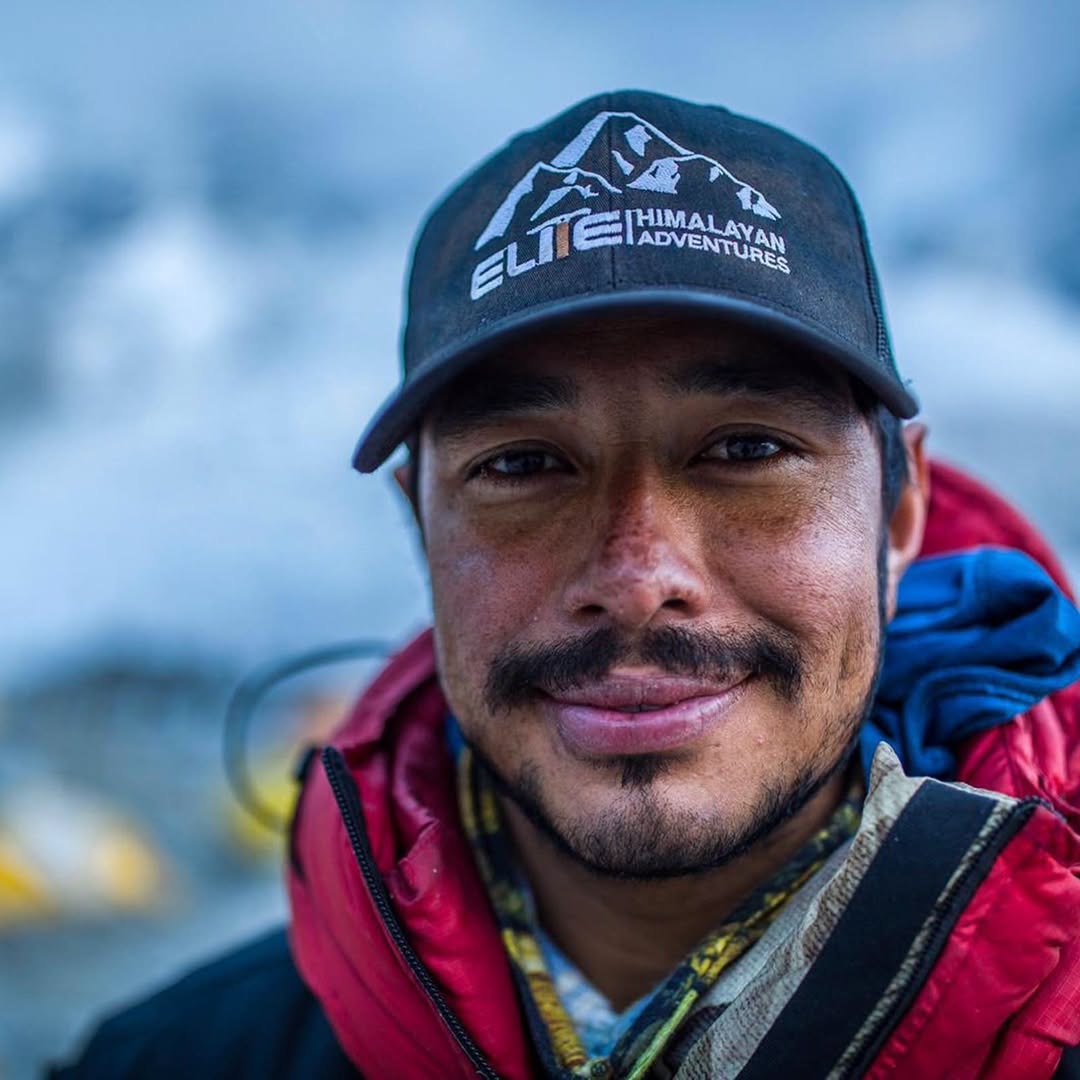
At Red Reach Himalaya, we work in the same mountains that shaped generations of Nepalis and continue to attract people from around the world. We see every day how much knowledge exists here. A good mountain guide is not simply someone who knows the trail. A good guide understands the weather, the landscape, the culture, the people, the risks and the small decisions that can make a journey safer and more meaningful. That knowledge deserves respect. Nims Dai’s career brought that idea into the international spotlight in a way few Nepali climbers had done before. His records may eventually be broken. His achievements may one day be surpassed. But the change he helped create will be much harder to replace. The mountains will continue to stand. Nepali climbers will continue to climb them. And somewhere among the next generation of young climbers, there will be people who dare to imagine something that today still seems impossible. That may be Nims Dai’s most extraordinary legacy. The numbers in the record books will change. The inspiration will remain.epal had that talent long before him. What he did was make that talent visible to the world.
What does Nepal lose?
Nepal has lost a great climber. But that is only the beginning of the loss. Nepal has lost an international ambassador for mountaineering. A person who could walk into a room anywhere in the world and immediately make people interested in the Himalayas. A person who could speak to international clients in their own language of ambition. A person who understood that climbing and business were no longer separate worlds. A person who understood that a modern expedition needed not only ropes, oxygen, tents and food, but also communication, media, relationships and trust. And Nepal has lost a man who made many people outside Nepal realise something that those of us living here have known for generations: The people of the Himalayas are not simply the people who take you to the mountain. They are the people who understand the mountain. They are the people who can lead. They are the people who can make decisions when things go wrong. They are the people who can stand on the summit. And they can be the people whose names the world remembers.
There will never be another Nims Dai
Someone may climb fourteen 8,000-metre peaks faster. Someone may break another record. Someone may stand on more summits. Someone may become the next great name in Himalayan mountaineering. We should welcome that. That is how mountaineering grows. But they will not be Nims Dai. Because Nims was not just a collection of records. He was a moment in the history of Himalayan mountaineering. A moment when the balance of the story began to change. A moment when the Nepali climber stepped out from behind the expedition and into the centre of it. A moment when millions of people around the world began to see the Himalayas through Nepali eyes. And now, after Broad Peak, perhaps the most fitting thing we can say is not that his records will never be broken. It is this: His records may be broken. His impact will be much harder to replace. Nims Dai climbed some of the highest and most dangerous mountains on earth. But perhaps the greatest mountain he climbed was the invisible one – the distance between the people who had always lived and worked in the Himalayas and the international world that came to climb them. He made that distance smaller. And for that, the name Nims Dai will remain part of the history of Himalayan mountaineering long after the numbers in the record books have changed.
Rest in peace, Nims Dai.The mountains have taken one of their most extraordinary sons. But they cannot take away the trail he left behind.
Nims Dai showed the world what Nepali mountain expertise can achieve at the highest level. At Red Reach Himalaya, we believe that same local knowledge, experience and personal connection are important for every traveller coming to Nepal. We are a Nepal-based team specialising in trekking, climbing, cultural journeys and tailor-made Himalayan adventures. We work directly with our travellers and local mountain teams, giving each journey a personal touch rather than treating it as just another package.
Whether you dream of Everest Base Camp, Annapurna, Mustang, Manaslu, Langtang, or simply want to discover Nepal at your own pace, we can build the journey around you. Explore Red Reach Himalaya, learn About Us, or tell us what you have in mind through our Tailor-Made Trip page. The Himalayas are our home. Let us help you experience them personally.