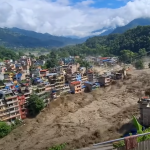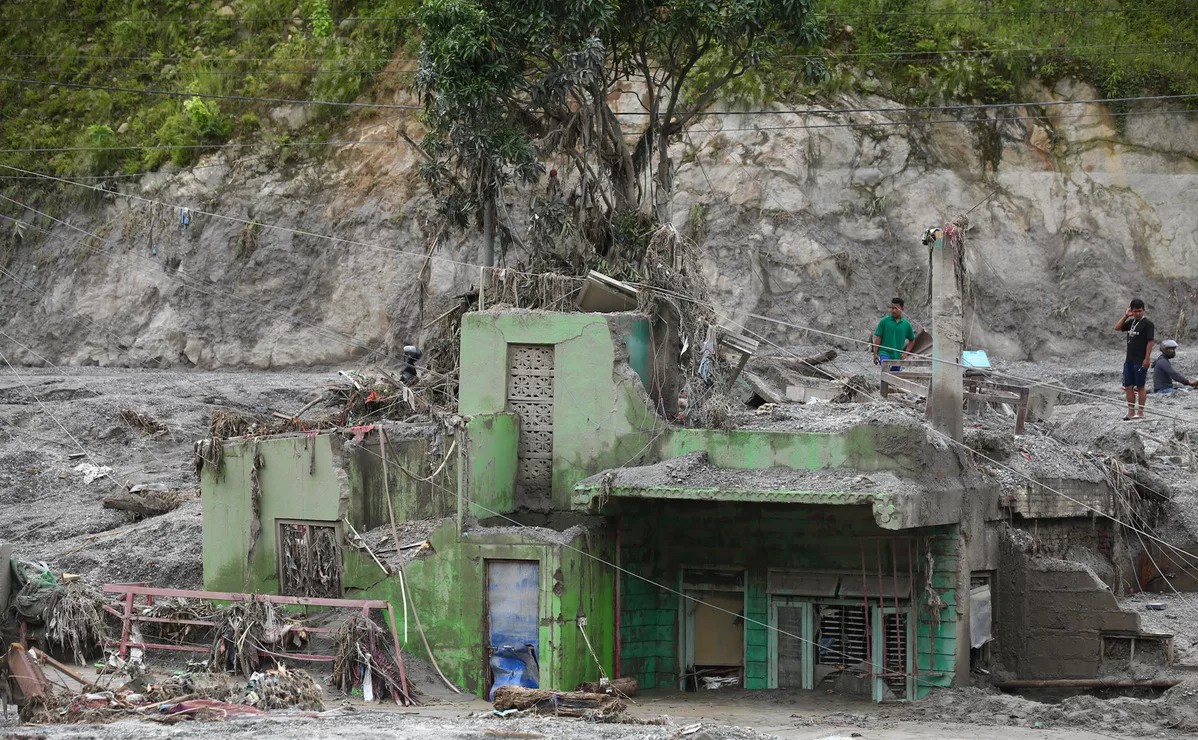
CRISIS IN THE HIMALAYAS: Nepal is currently grappling with one of the most severe humanitarian crises in its modern history. Following a catastrophic glacial collapse near the Langtang Lirung glacier on August 26, 2026, a massive wall of ice, rock, mud, and water tore through northern and central river basins. What started as an environmental disaster has quickly escalated into a widespread humanitarian emergency, leaving emergency services working around the clock to locate the missing and restore cut-off infrastructure.
For bloggers, journalists, and citizens monitoring the situation, here is a comprehensive look at the current state of Nepal, the toll on human lives, and the ongoing recovery efforts on the ground.
The numbers coming out of the affected districts are staggering and continue to fluctuate as search and recovery teams dig through river debris and mud.
The Human Toll: Mass Casualties and Missing Persons – CRISIS IN THE HIMALAYAS
- Confirmed Deaths: The official death toll has climbed sharply to 1010 people and it is incresing everyday. Local authorities face an acute crisis regarding body preservation, forcing officials to begin mass burials for unidentified victims in the hardest-hit river basins.
- The Missing: At least 4000 people remain officially missing across the country. Emergency workers fear that many may be trapped under deep mudslides or swept downstream.
- International Impact: The disaster has severely impacted foreign nationals. Hundreds of missing individuals are international tourists, mountain trekkers, and religious pilgrims. This includes a large number of Indian citizens on the Kailash Mansarovar pilgrimage, as well as nationals from the US, UK, Canada, and over 30 other countries.
- Cross-Border Devastation: The crisis is not contained to Nepal. In the neighboring Tibet autonomous region of China, the same weather system and glacial run-off have claimed lives, with 546 people still unaccounted for.
Race Against Time: The Trapped Hydropower Workers – CRISIS IN THE HIMALAYAS
One of the most critical and time-sensitive operations is unfolding along the Trishuli River basin.
- Over 900 workers are currently trapped inside flooded underground tunnels across multiple hydropower projects.
- The heavy influx of mud and water blocked the entry and exit points of these tunnels during the initial flash floods.
- International rescue teams from neighboring countries, using advanced sonar and drilling equipment, are working alongside the Nepalese army. However, establishing contact with those inside remains a massive challenge due to total communication blackouts in the tunnels.
Infrastructure Update: Highways Reopening for Small Vehicles – CRISIS IN THE HIMALAYAS
While the initial impact completely paralyzed transit, intensive clearing efforts by authorities have significantly improved connectivity.
- Highways Back in Operation: Major routes connecting the capital to the rest of the country are gradually bouncing back. The vital Kathmandu–Mugling road section has officially reopened, allowing passenger and cargo traffic to resume normal flow.
- Prithvi Highway Status: Mud and debris have been successfully cleared from hard-hit zones like the Galchi-Malekhu section. The highway has reopened for essential and small vehicles, easing the pressure on Kathmandu’s supply lines. One-way traffic controls remain active in restricted patches, such as Baireni Bazaar, to ensure safety.
- Nagdhunga Tunnel Trial: In a major boost to local travel, the Nagdhunga Tunnel has opened for a phased trial, allowing cars, jeeps, and vans carrying up to nine passengers to bypass older bottleneck routes entirely.
- Border Trade Routes Remain Damaged: While domestic highways are improving, the Rasuwagadhi border crossing and customs office—the primary land trade artery between Nepal and China—remains heavily damaged and non-functional, dealing a severe economic blow to local traders.
- Humanitarian Deprivation: Despite roads reopening, agencies like UNICEF report that roughly 10,000 households in isolated rural pockets are still entirely cut off from basic necessities due to destroyed local bridges, power outages, and failed telecommunication networks.
If your viewers are currently planning travel to South Asia or have loved ones in the region, the following safety directives from the National Disaster Risk Reduction and Management Authority (NDRRMA) are vital: Please watch this how people run for their lives in real time. This is quiet scary.
Crucial Safety and Travel Advisory – CRISIS IN THE HIMALAYAS
- Strictly Avoid High-Risk Zones: The heavy structural destruction remains concentrated in the northern and central mountain districts, specifically Rasuwa, Nuwakot, and Dhading. Non-essential travel to these specific interior areas is highly dangerous.
- Secondary Flood Hazards: Heavy secondary rainfall continues to threaten the region. Rivers like the Bhotekoshi and Trishuli remain volatile. Debris dams and temporary barrier lakes formed by landslides are under constant drone and satellite surveillance due to the risk of secondary bursts.
- Emergency Helplines: The Government of Nepal has operationalized a toll-free emergency line at 1234 and a dedicated disaster response hotline at 1144.
- Embassy Registration: Foreign nationals currently in Nepal or family members abroad looking for missing loved ones are urged to contact their respective embassies in Kathmandu immediately to register names and last known locations.
As international aid packages from global communities begin to arrive, local authorities emphasize that the road to recovery will be long. The immediate focus remains entirely on saving lives, providing shelter to thousands of displaced families, and keeping crucial highway lifelines clear. Stay tuned with Red Reach Himalaya trek.