Nepal has suffered a terrible tragedy. But Nepal is not closed – Nepal Is Open
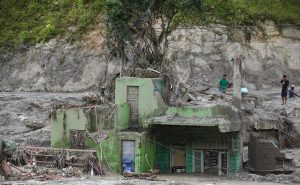
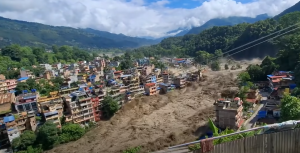
On 26 August 2026, a devastating flash flood swept through the Bhote Koshi river corridor in northern Nepal after an extreme flood event originating near the Nepal / Tibet border. The destruction was beyond anything many of us had imagined. People lost their lives. Families were separated. Homes, roads, bridges, businesses, hydropower facilities and government infrastructure were swept away or badly damaged. The Friendship Bridge connecting Nepal with Tibet/China was destroyed, along with important border infrastructure at Rasuwagadhi. The vital road connecting Nepal with the Kerung border was also severely damaged. But behind the photographs of destroyed buildings and roads are the stories that are much harder to tell. There are families who lost parents, children, husbands, wives, brothers and sisters. There are people who went to sleep expecting another ordinary day and never came home. There are families still waiting for news. And there are villages where almost nothing remains. One recent report from the affected area tells of families who had already survived the 2015 earthquake, only to lose their homes and loved ones again in this disaster. In some communities, entire families were swept away.
There Was Almost No Time to Escape
One of the most difficult things to understand about this disaster is how suddenly it happened. This was not an ordinary river rising slowly over several hours. The flood came with enormous force, carrying water, mud, rocks and debris through the river valleys. People living close to the river had very little time to understand what was happening, let alone gather their families and escape. In Timure, Syabrubesi, Trishuli bazaar and other settlements along the river system, the destruction was immense. Early reports described homes and settlements disappearing beneath the flood and debris, while roads and bridges that connected communities to the outside world were destroyed. The full human cost is still being established. And perhaps that is one of the hardest parts of this tragedy.
The story is not yet finished. Search teams are still working. Bodies are still being recovered. Families are still waiting. And some people remain unaccounted for.
Why We Believe Langtang Should Wait
Langtang is very special to us. We have guided many travellers through its beautiful valleys. We know its trails, its villages and the people who make the region so welcoming. But at this moment, we believe Langtang deserves something more important than tourism. It deserves time. The Langtang Valley itself was not directly swept away by the Bhote Koshi flood, but its access routes and connections have been severely affected. The wider Rasuwa district is still dealing with search, rescue, recovery and enormous human loss.
This is therefore not simply a question of whether somebody can technically walk a trail. It is a question of sensitivity. Families are mourning. Communities are trying to recover. Infrastructure needs to be repaired. Search and relief operations are still continuing. For this reason, we would rather wait and allow the Langtang communities time to recover before encouraging normal trekking there. This is not fear. It is respect and when the time is right, we will return.
But Please Don’t Stop Coming to Nepal – Nepal Is Open
This is the message we want to share most strongly. Please don’t cancel Nepal because one part of our country has suffered a devastating disaster.
Nepal is a country of extraordinary geographical diversity. The affected areas are mainly concentrated along particular river corridors and communities, while many other parts of Nepal continue to live, work and welcome visitors. The Nepal Tourism Board has itself issued a situation update saying clearly:
Nepal is not closed. It is encouraging travellers to continue visiting Nepal, because tourism supports people, sustains livelihoods and helps communities recover. And we believe this deeply.
The Himalayas Are Still Waiting – Nepal Is Open
There are many beautiful regions of Nepal where we can continue to trek responsibly, subject always to current local conditions and official guidance. Some of the alternatives we are currently considering for our guests include:
- Everest Base Camp Trek – by flight to Lukla or overland by 4WD towards Surke
- Annapurna Circuit Trek
- Annapurna Base Camp Trek
- Mardi Himal Trek
- Mustang and Lo-Manthang
- Manaslu Circuit and Larkya La Pass
- Pikey Peak Trek
- Khapuche Lake Trek
- Limi Valley
- Olangchung Gola and Makalu Base Camp
- And many other routes across Nepal
The Nepal Tourism Board continues to recognise Everest, Annapurna, Mustang, Manaslu, Makalu and other Himalayan regions as major trekking destinations, with many routes operating under the normal trekking system of permits, guides and TIMS requirements. We will not simply tell you that every trail is open.
We will check. We will look at the roads, flights, weather, trails and local conditions before recommending a journey. Because your safety comes before our business.
These Mountains Give Life
There is another reason why we believe people should not turn away from Nepal. The Himalayas are not only beautiful mountains for photographs but they are the source of rivers. They provide freshwater to millions of people across Nepal and the wider South Asian region. From the high mountains, water flows through valleys and plains, supporting agriculture, communities, forests, wildlife and cities far beyond the mountains themselves. When you come to Nepal, you are not simply visiting a landscape. You are entering a living system that sustains millions of people.
Nepal Needs Help – And We Are Helping
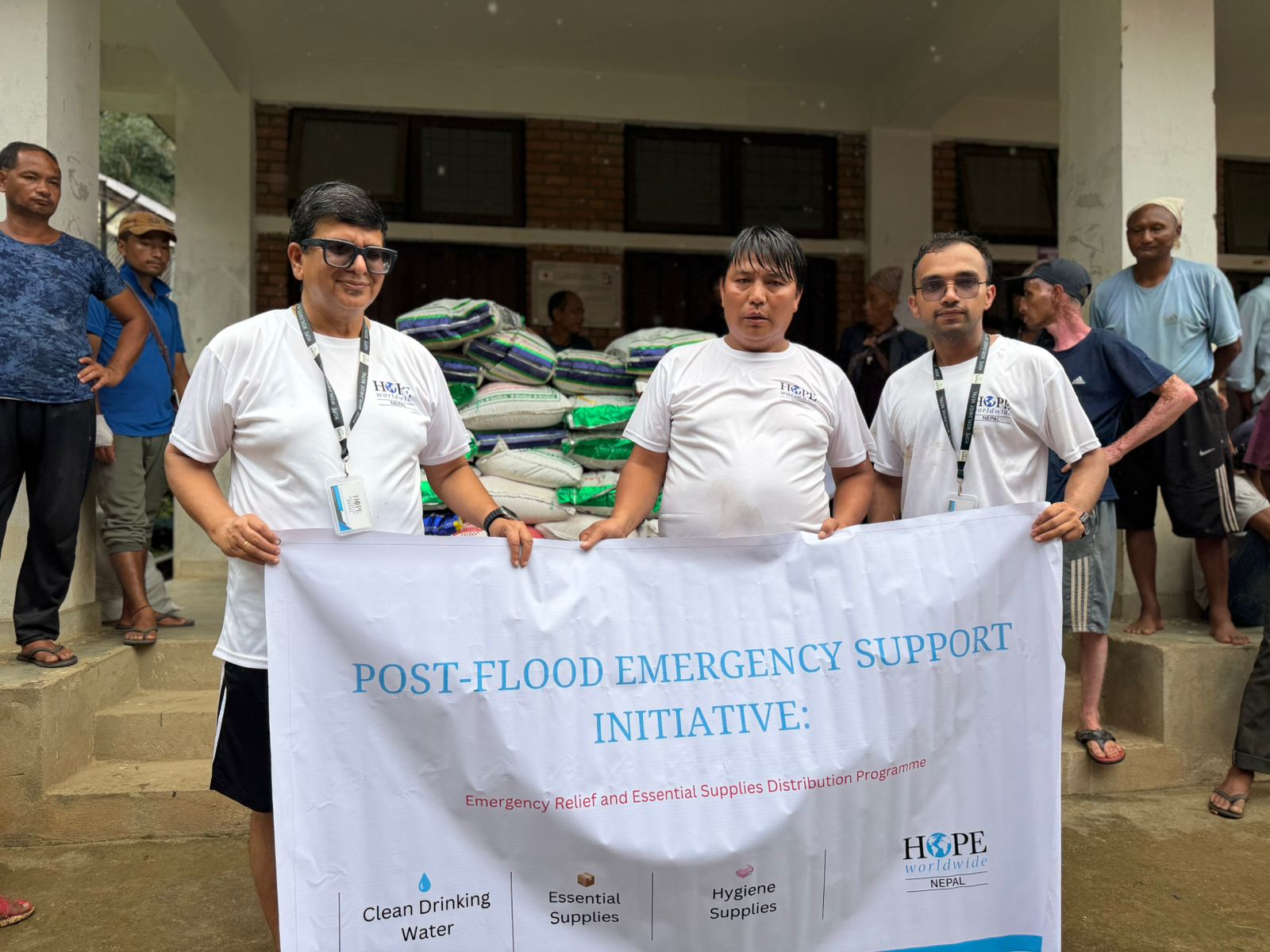
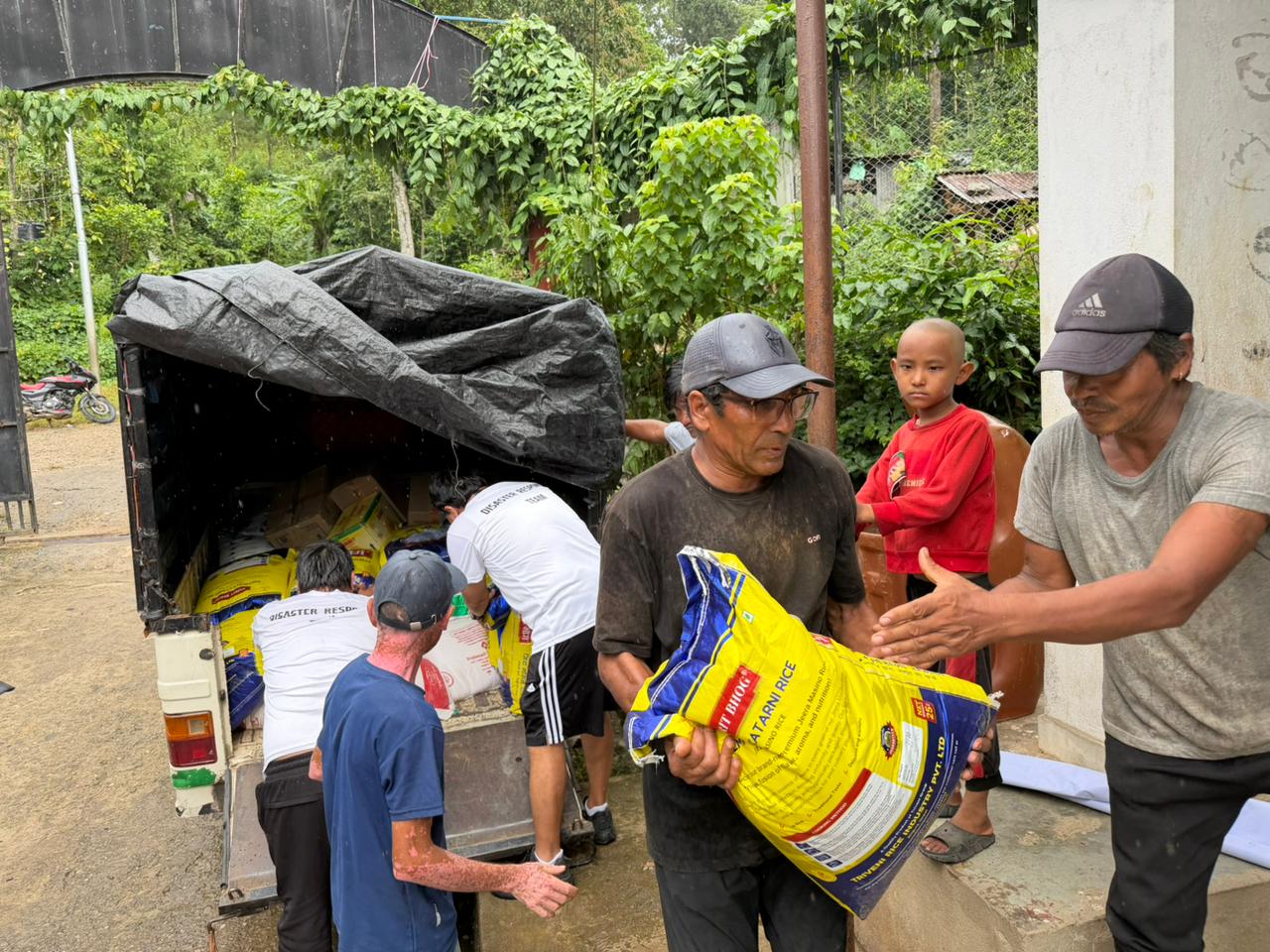
The Government of Nepal has mobilised the Nepal Army, Armed Police Force, Nepal Police, medical teams, local authorities and disaster-response agencies. Search and rescue operations have continued in some of the most difficult conditions imaginable. Relief teams are providing food, drinking water, temporary shelter, medical assistance, kitchen utensils and other essential supplies. International assistance has also been offered, while specialist teams from neighbouring countries and other partners have contributed to rescue and recovery operations. But reaching people is not easy. When roads disappear and bridges are swept away, even delivering basic necessities becomes a major operation. In some places, helicopters are essential. In others, local people themselves are carrying supplies into communities that have been cut off. This is where humanitarian organisations and volunteers become so important.
HOPE worldwide Nepal
I am personally involved with HOPE worldwide Nepal, an organisation that has worked in Nepal for many years. Its work includes disaster response, healthcare, education, vocational training and longer-term community development. Following the recent disaster, we have already sent emergency relief assistance, and we are preparing further support as the needs become clearer. HOPE worldwide Nepal has experience responding to disasters in Nepal, including providing essential supplies such as food, clean drinking water, clothing and hygiene materials and helping communities rebuild and recover. We are not a large organisation but we believe that small help, when it reaches the right people, can make a real difference. And we will continue to help.
Tourism Is Also Part of the Recovery
As a trekking company, we have another responsibility. Our guides need work. Our porters need work. Our drivers need work. Our lodge owners need guests. The small restaurants, shops and families along trekking trails depend upon visitors. This is why responsible tourism matters so much after a disaster. When you travel to a region that is open and ready to welcome you, your money moves through local communities. A trekker paying for a room helps a lodge family. A guide earns an income. A porter supports his family. A local restaurant buys vegetables from a farmer. A driver gets another journey. This is how tourism becomes part of recovery. Not through charity alone. Through livelihood. So, Should You Change Your Nepal Trip?
Maybe. If your original itinerary includes Langtang, we may recommend changing it. If your trip includes an affected road corridor, we may find another route. If you were planning to visit Rasuwa immediately, we may ask you to wait. But please don’t think you have to cancel Nepal altogether.
Talk to us first. We will look at your itinerary honestly and tell you what we believe is appropriate. There is still an enormous Nepal waiting for you. The Himalayas are still standing. The temples are still open. The jungles are still alive. The villages are still welcoming. And the people of Nepal are still here.
Nepal Is Hurt. Nepal Is Not Broken – Nepal Is Open
The tragedy of 26 August will remain in Nepal’s memory for generations. We will remember those who lost their lives. We will remember the families who lost everything. We will remember the communities that are now beginning the long journey of rebuilding. But we also believe in the resilience of the Nepali people. We have faced earthquakes. We have faced floods. We have faced landslides, political crises and countless other challenges. And somehow, we continue – We rebuild, we open our doors again. We welcome our friends. And we hope so, if you were thinking of coming to Nepal, don’t turn away from us because of this tragedy. Come when the time is right. Choose your destination carefully. Travel responsibly. Listen to local advice. And come not only as a traveller, but as a friend. Because Nepal does not need the world to forget what happened. Nepal needs the world to remember – and still stand with us. Nepal is open, Nepal is waiting, and Nepal needs you now more than ever.
With hope from the Himalayas, Red Reach Himalaya Trek Pvt. Ltd. Kathmandu, Nepal