Spring Trekking in Nepal – Best Treks for European Travelers | Red Reach Himalaya
Planning a spring trekking holiday in Nepal? Discover the best treks for March–May, ideal for European travelers seeking clear weather, blooming landscapes, and authentic Himalayan experiences.
Spring in Nepal: Why European Trekkers Love It
For many European travelers, spring in Nepal (March to May) feels perfectly timed. After a long winter back home, Nepal opens up with warmer days, clear mountain views, and trails lined with blooming rhododendrons. Temperatures are comfortable for walking, daylight hours are long, and flights connect smoothly from major European hubs via Kathmandu.
Spring is also ideal for those planning their annual trekking holiday, Easter breaks, or extended time off. At Red Reach Himalaya, we find spring offers the best balance of weather, scenery, and cultural experience for trekkers from Europe.
Best Treks in Nepal for Spring (March–May)
Everest Base Camp Trek
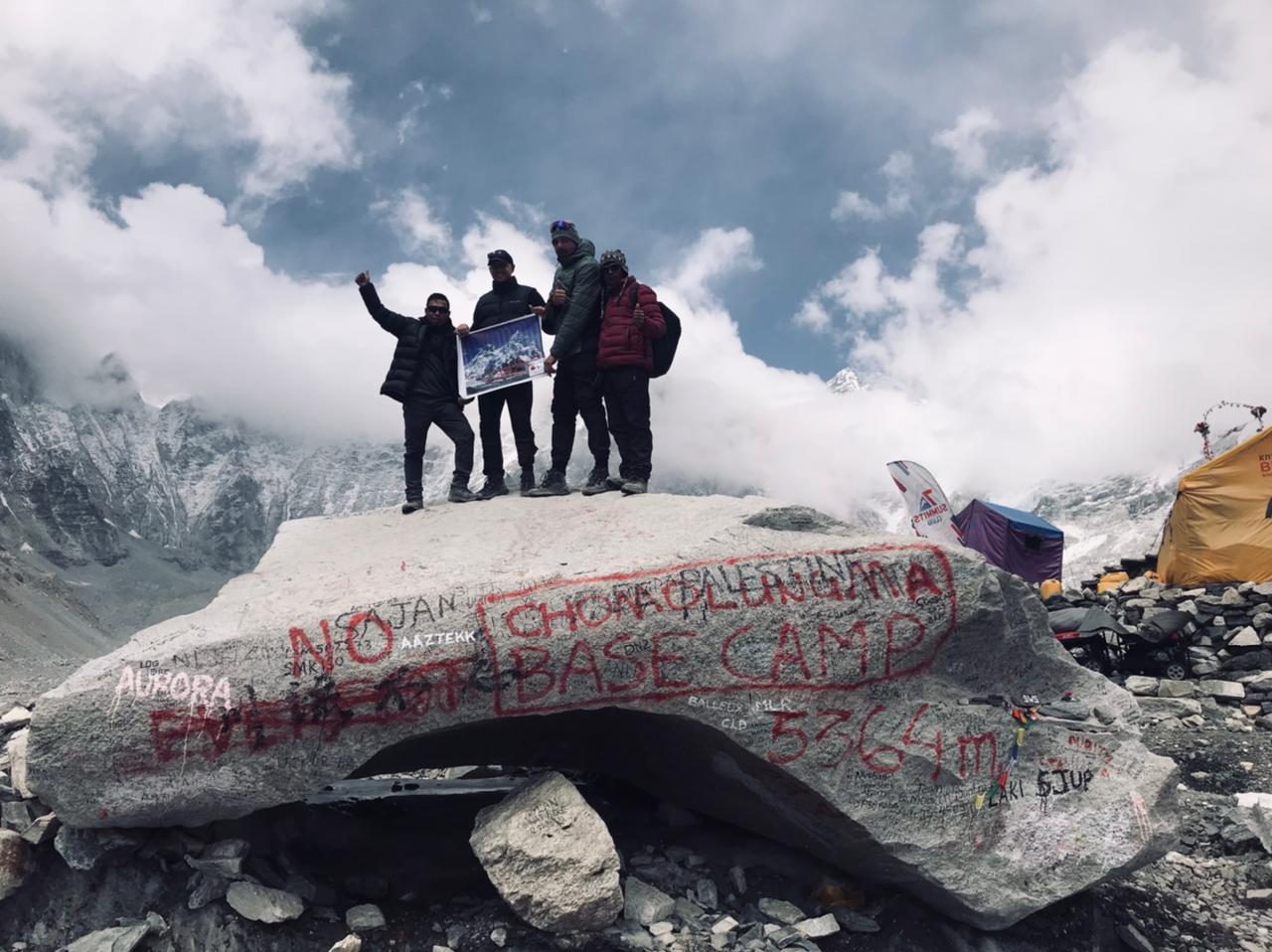
For European trekkers visiting Nepal for the first time, Everest Base Camp remains the ultimate Himalayan journey. Spring brings stable weather and excellent visibility of Everest, Ama Dablam, and surrounding peaks. Sherpa villages are lively, teahouses are fully open, and the trail atmosphere is vibrant.
Best for first-time high-altitude trekkers and classic bucket-list experiences
Duration 12–14 days
Maximum altitude 5,364m
Crowd level High, especially in April and May
Everest Base Camp Trek
Annapurna Base Camp Trek
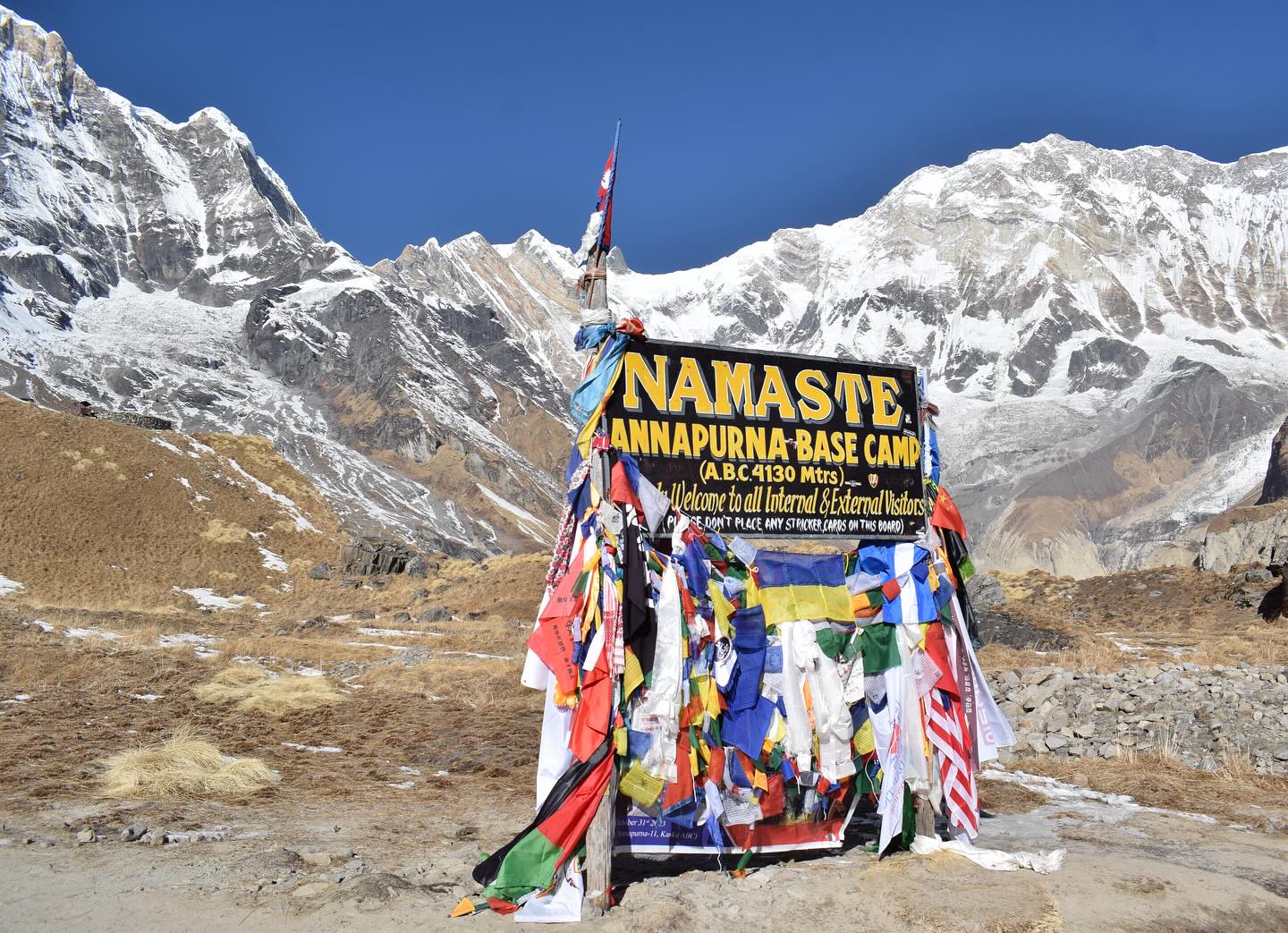
Annapurna Base Camp is a favorite among European trekkers with limited time. The trek offers diverse scenery, from terraced farmland to alpine landscapes, and reaches a dramatic mountain sanctuary surrounded by 7,000m peaks. Spring temperatures are mild, and rhododendron forests are at their best.
Best for moderate trekkers and shorter holidays
Duration 7–12 days
Maximum altitude 4,130m
Crowd level Medium to high
Annapurna Base Camp Trek
Langtang Valley Trek
Langtang Valley is ideal for European travelers who prefer quieter trails and a more relaxed pace. Close to Kathmandu yet far from the crowds, the region offers beautiful spring flowers, glacier views, and authentic Tamang culture. It works well for trekkers wanting a shorter itinerary without internal flights.
Best for nature lovers and less crowded routes
Duration 7–10 days
Maximum altitude 4,984m (optional viewpoints)
Crowd level Medium
Langtang Valley Trek
Manaslu Circuit Trek
For experienced European trekkers seeking adventure beyond the classic routes, the Manaslu Circuit is an excellent spring option. Before the monsoon season, the high pass conditions are favorable, and the trail remains relatively quiet. Expect remote villages, dramatic gorges, and a true sense of exploration.
Best for experienced trekkers and remote travel
Duration 14–16 days
Maximum altitude 5,160m (Larkya La Pass)
Crowd level Low to medium
Manaslu Circuit Trek
Kanchenjunga Base Camp Trek
Kanchenjunga is one of the best spring treks for European trekkers looking for untouched wilderness. Eastern Nepal comes alive in spring with alpine flowers and clear skies. This trek is long, demanding, and deeply rewarding, offering cultural immersion and solitude rarely found elsewhere.
Best for seasoned trekkers and wilderness lovers
Duration 20–24 days
Maximum altitude 5,143m
Crowd level Very low
Kanchenjunga Base Camp Trek
How European Trekkers Should Choose Their Spring Trek
When choosing a spring trek in Nepal, consider how much time you can travel, your previous altitude experience, and whether you prefer iconic routes or quieter trails. Many European trekkers combine trekking with cultural sightseeing in Kathmandu or Pokhara, making spring an ideal season for a balanced holiday.
At Red Reach Himalaya, we specialize in helping European travelers select the right trek based on pace, comfort level, and travel style, not just popularity.
Frequently Asked Questions (FAQs)
Is spring the best season for trekking in Nepal?
Yes. Spring (March to May) offers stable weather, clear mountain views, blooming landscapes, and comfortable temperatures, making it one of the best trekking seasons in Nepal.
What temperatures can European trekkers expect in spring?
Daytime temperatures at lower elevations range from 10°C to 20°C, while higher altitudes are cooler, especially at night. Compared to European winters, spring conditions feel pleasant and manageable.
Are spring treks crowded?
Popular routes like Everest Base Camp and Annapurna Base Camp can be busy, especially in April. Quieter alternatives such as Langtang, Manaslu, and Kanchenjunga offer more solitude.
Do European trekkers need technical climbing skills?
No. Most spring treks are non-technical walking treks. Good fitness, gradual acclimatization, and proper preparation are sufficient.
What should European trekkers pack for spring trekking?
Layered clothing, a light down jacket, waterproof outerwear, good trekking boots, sun protection, and a four-season sleeping bag are recommended. Packing lists can be adjusted depending on the trek.
How far in advance should spring treks be booked?
For European travelers, booking 3–6 months in advance is ideal, especially for April and May departures and restricted-area treks.
Final Thoughts
Spring trekking in Nepal offers European travelers a rare combination of comfort, beauty, and cultural depth. From classic Himalayan icons to remote wilderness routes, spring allows you to experience Nepal at its most welcoming and vibrant. With expert local guidance from Red Reach Himalaya, your spring trek becomes more than a holiday- it becomes a meaningful journey into the Himalayas. Know our services through tripadvisor page or Google review. We can be contacted by email or whatsapp too.