Bhairav Jatra in Kathmandu: A Festival Every Photographer Should Experience
When Kathmandu’s old streets fill with masked dancers, traditional music, crowds and centuries-old traditions, there is no shortage of stories waiting to be photographed.
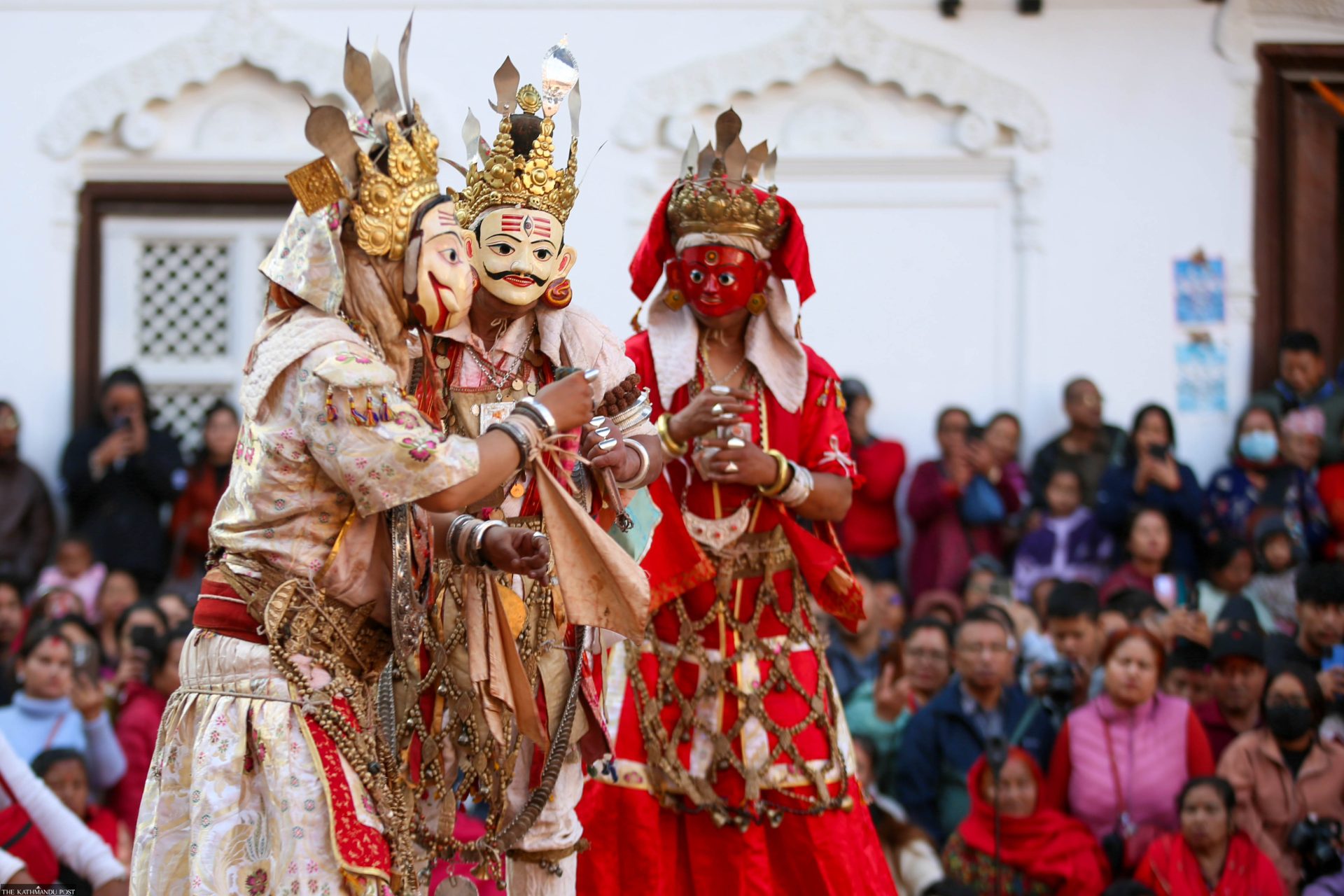
Bhairav Jatra is an important part of Kathmandu’s spectacular Indra Jatra celebrations. It brings together traditional Newar culture, masked performances, music and public ceremonies that transform the historic city into a living cultural stage.
How did it begin?
The roots of Indra Jatra go back many centuries, traditionally associated with King Gunakamadeva’s reign around the 10th century. According to local legend, Indra, the god of rain, came to Kathmandu disguised as an ordinary man to collect a special flower for his mother. He was caught by local residents and tied up. His mother eventually came to rescue him, promising blessings of rain and prosperity.
Bhairav worship became an important part of the festival over time. The exact origin of Bhairav Jatra is not fully established. One of its most recognisable attractions is the enormous Swet Bhairav (White Bhairav) mask at Hanuman Dhoka, introduced by King Rana Bahadur Shah in 1795.
When does it take place?
Indra Jatra begins every year on Bhadra Shukla Dwadashi, according to the Nepali lunar calendar. The ceremonial erection of the traditional wooden pole, known as Yosin, marks the beginning of the celebrations.
The festival continues for around eight days, with different ceremonies and performances taking place throughout old Kathmandu.
Possible dates for 2027: 15–22 September 2027 (provisional festival window). The main ceremonies and procession dates should be checked against the official Nepali festival calendar closer to the event.
Why is it a photographer’s delight?
For photographers, this is much more than a festival. It is an opportunity to capture Kathmandu at its most expressive.
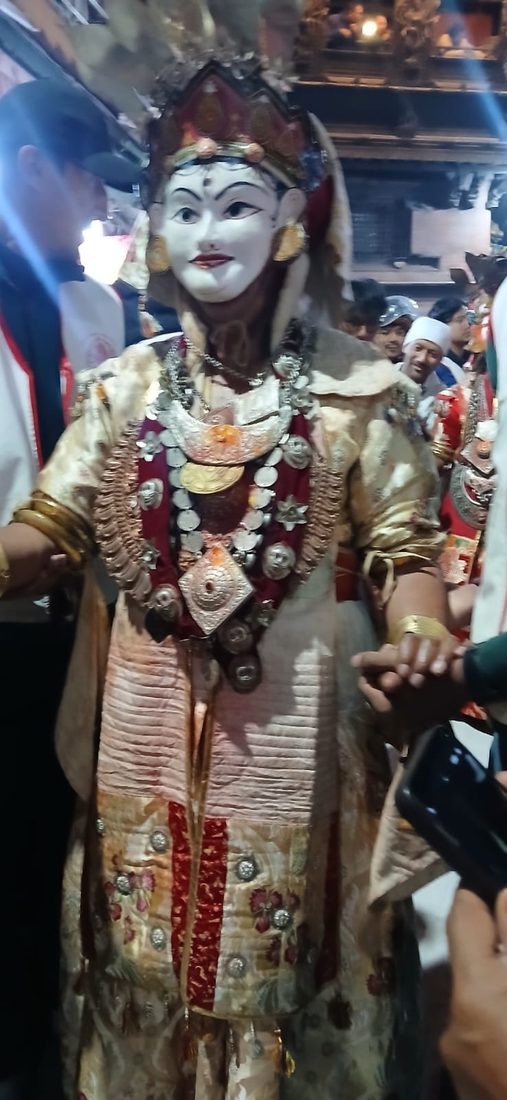
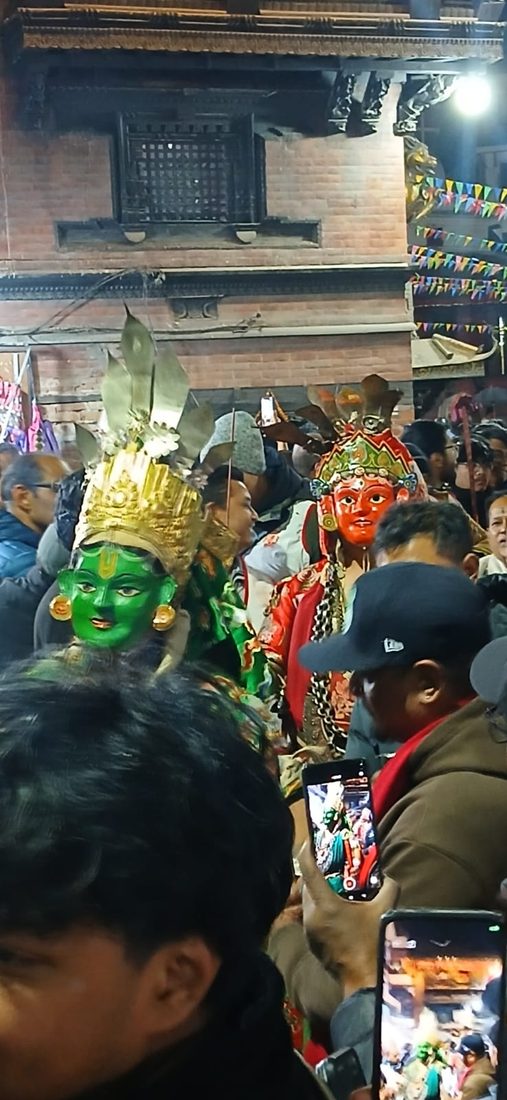
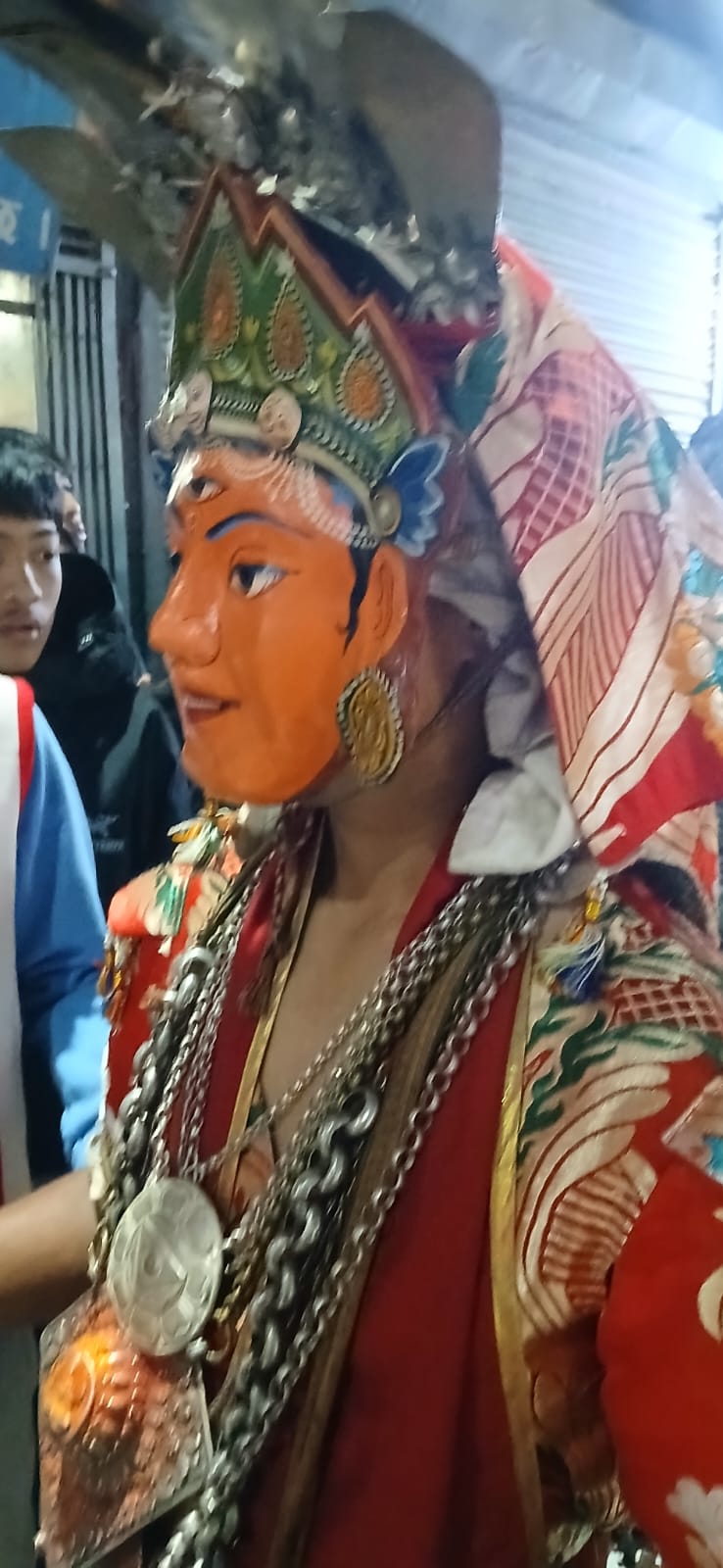
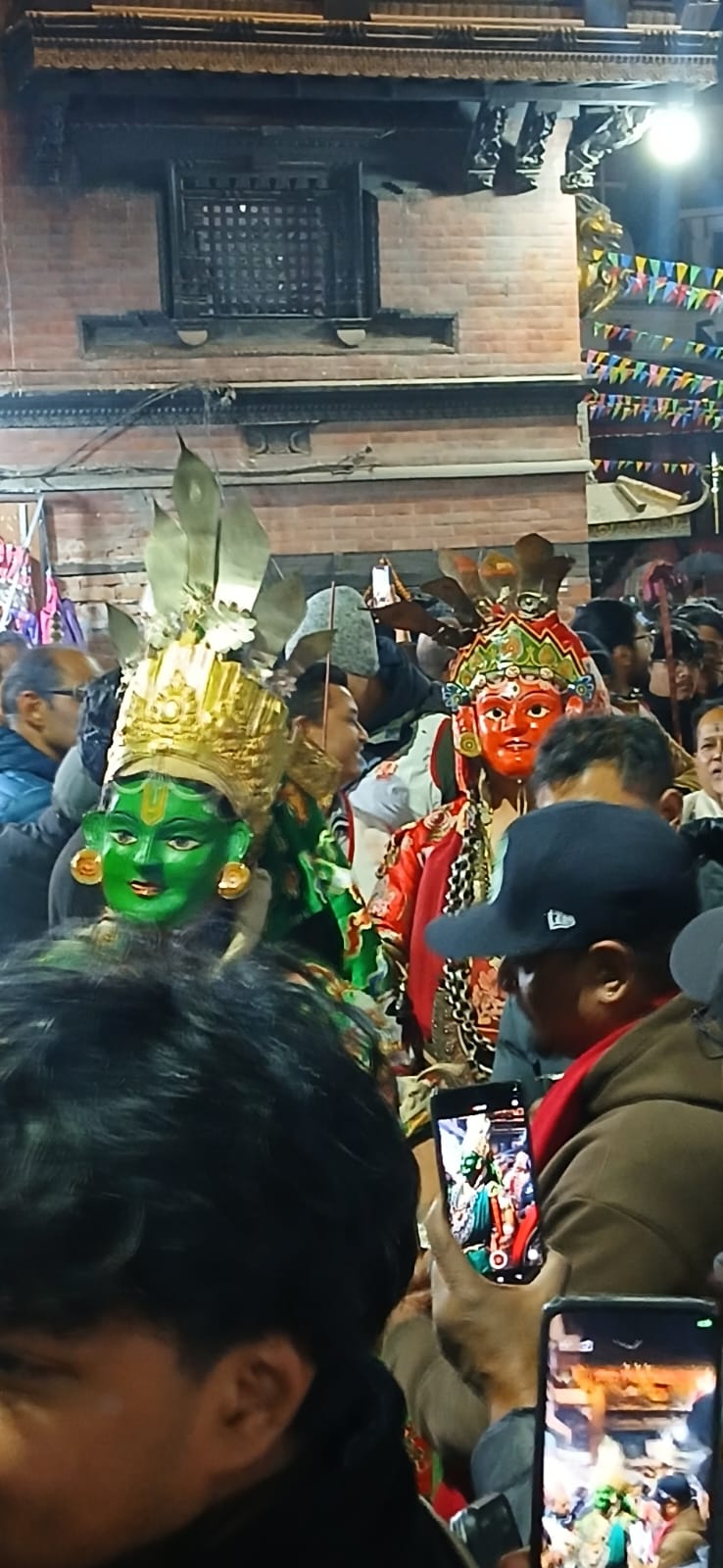
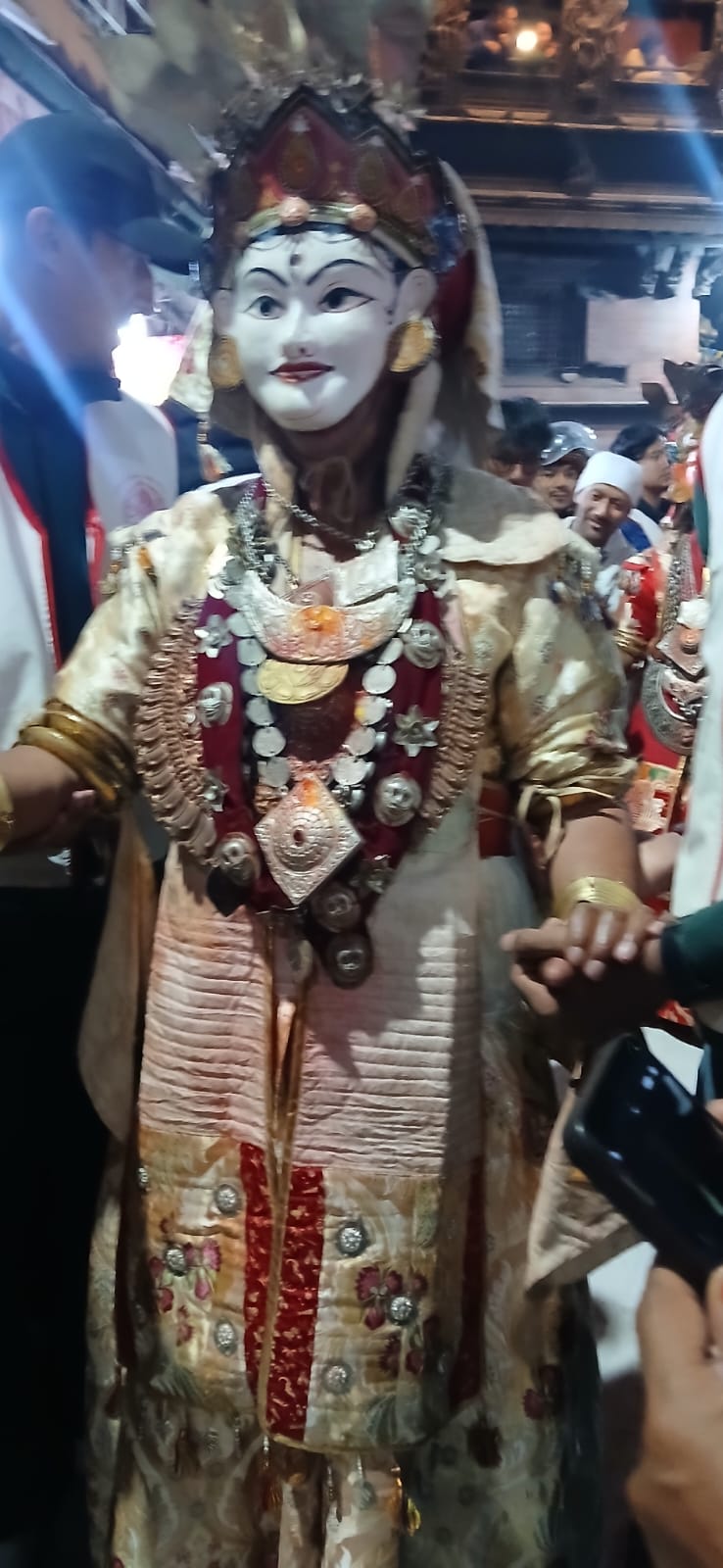
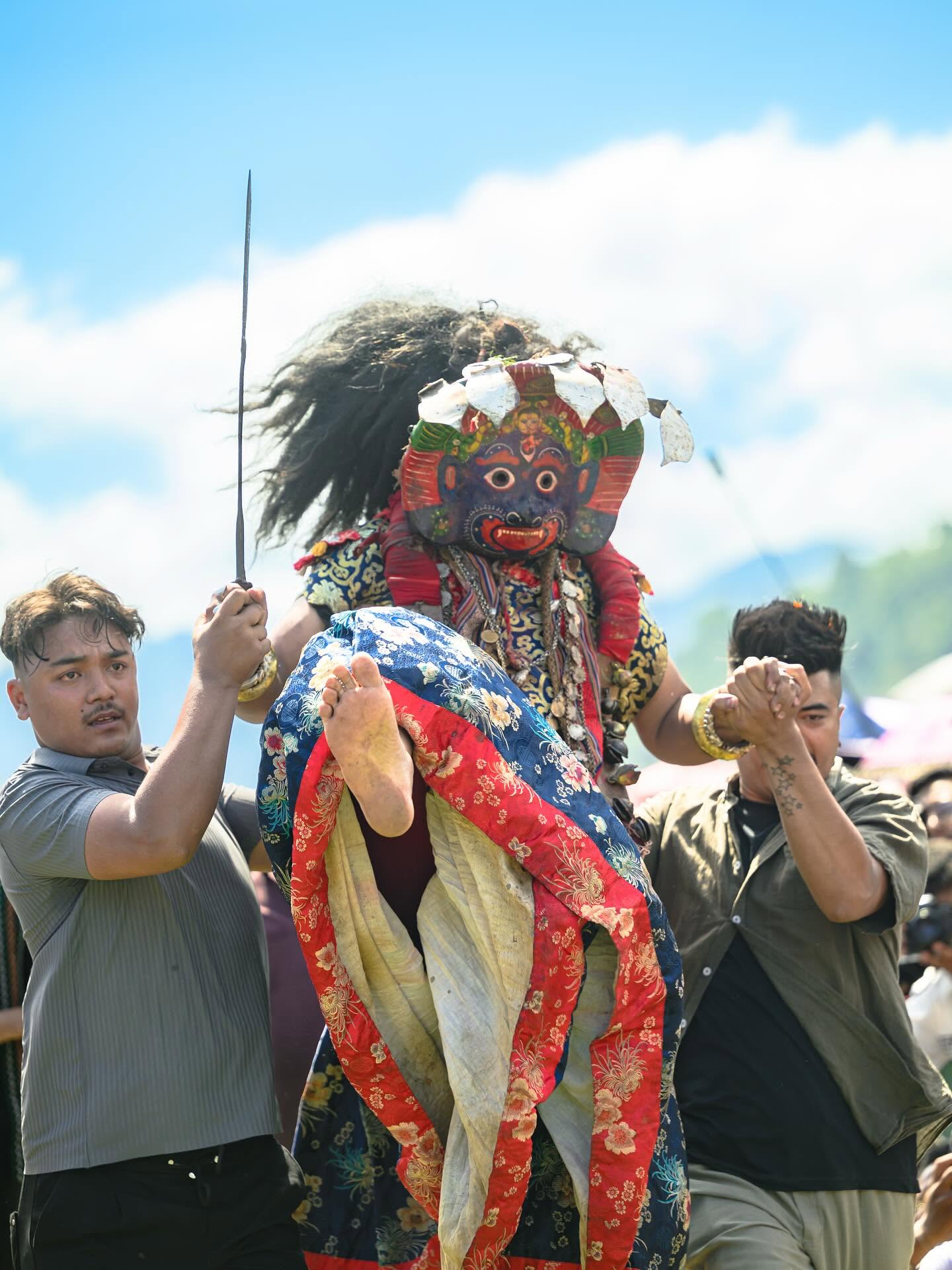
- Masked performances: Lakhey dancers and traditional characters create dramatic moments, movement and striking expressions.
- Traditional faces: Elderly residents, musicians, performers and devotees offer wonderful opportunities for cultural portrait photography.
- Architecture and atmosphere: The historic courtyards, temples, narrow alleys and traditional buildings provide beautiful natural backgrounds.
- Colours and details: Traditional costumes, musical instruments, decorations, ceremonial objects and the faces of the crowd make excellent photographic subjects.
- Street photography: The interaction between performers and spectators creates spontaneous moments that cannot be staged.
- Night photography: Evening ceremonies, traditional lamps and illuminated heritage surroundings offer a completely different atmosphere.
More than just photographs
What makes this celebration special is that it is not organised for tourists. It belongs to the local people, their traditions and their history. Visitors get to witness a culture that continues to be practised in the same historic neighbourhoods where generations before them celebrated.
If you enjoy street photography, cultural portraits, architecture or documentary photography, Bhairav Jatra deserves a place on your Nepal travel calendar.
Experience Kathmandu through your camera, but take home more than photographs — take home the stories behind them.
Planning a photography visit to Nepal in 2027? Red Reach Himalaya can help arrange a private Kathmandu cultural experience around the festival, with a local guide who knows the old city and its traditions.