Maratika Halesi Mahadev: The Sacred Cave of Shiva, Padmasambhava and Immortality – A pilgrimage and cultural guide by Red Reach Himalaya Trek
There are places people visit to see beautiful landscapes, and there are places they visit because of what they believe those landscapes hold. Maratika Halesi Mahadev in eastern Nepal belongs to the second kind.
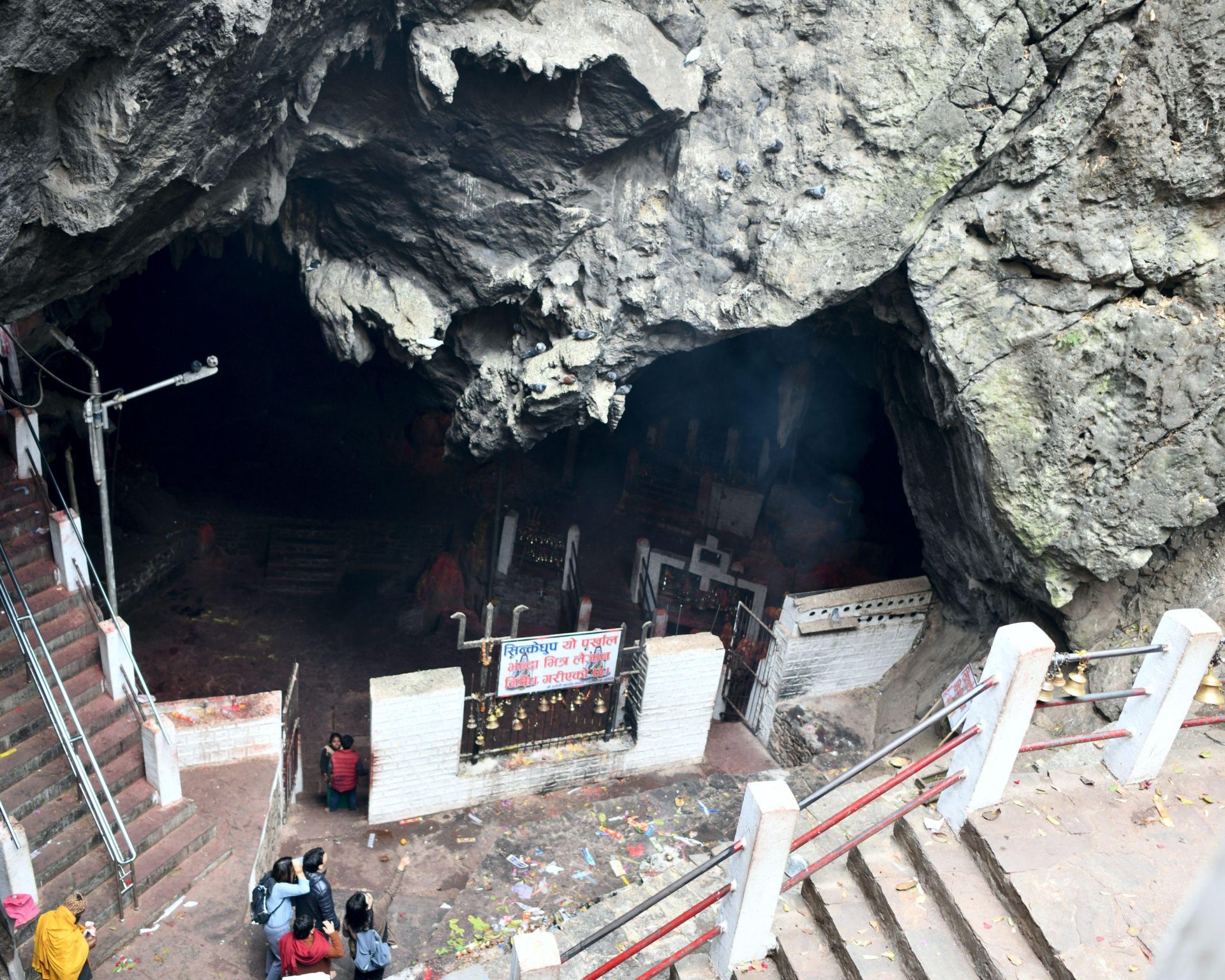
Set among rocky hills in Khotang District, Maratika is a sacred pilgrimage destination for Hindus, Tibetan Buddhists and the local Kirat community. Its caves are associated with Lord Shiva in Hindu tradition and with Guru Padmasambhava and Princess Mandarava in Tibetan Buddhist tradition. For the Kirat people, the surrounding landscape also carries important ancestral and cultural associations.
What makes Maratika particularly fascinating is that these traditions meet in one landscape without becoming the same story. Each community brings its own understanding of the place, its sacred history and the blessings people hope to receive from visiting.
For travellers interested in Nepal’s spiritual heritage, Maratika offers an opportunity to look beyond the familiar pilgrimage destinations and discover a place where faith, mythology, natural rock formations and living culture come together.
1. Halesi and Maratika: Understanding the Two Names
The names Halesi and Maratika are closely connected with the sacred identity of this destination. Halesi Mahadev is the name most familiar to Hindu pilgrims. The site is associated with Lord Shiva, and devotees visit the cave shrine to pray, make offerings and seek blessings for their families and personal lives. Maratika is the name widely used in Tibetan Buddhist tradition. The Maratika Monastery explains the name through a Tibetan expression associated with bringing death to an end. It refers to the sacred history of Guru Padmasambhava and Mandarava, who are believed to have attained spiritual accomplishment connected with immortality at this place.
The Buddhist tradition describes a journey beyond ordinary limitations of life and death, while Hindu devotees approach the cave through their devotion to Mahadev. These different interpretations are an important part of Maratika’s identity. To understand the destination properly, visitors should allow space for both traditions and for the local communities whose relationship with the landscape extends beyond the experience of a visitor.
2. The Hindu Connection: Halesi Mahadev
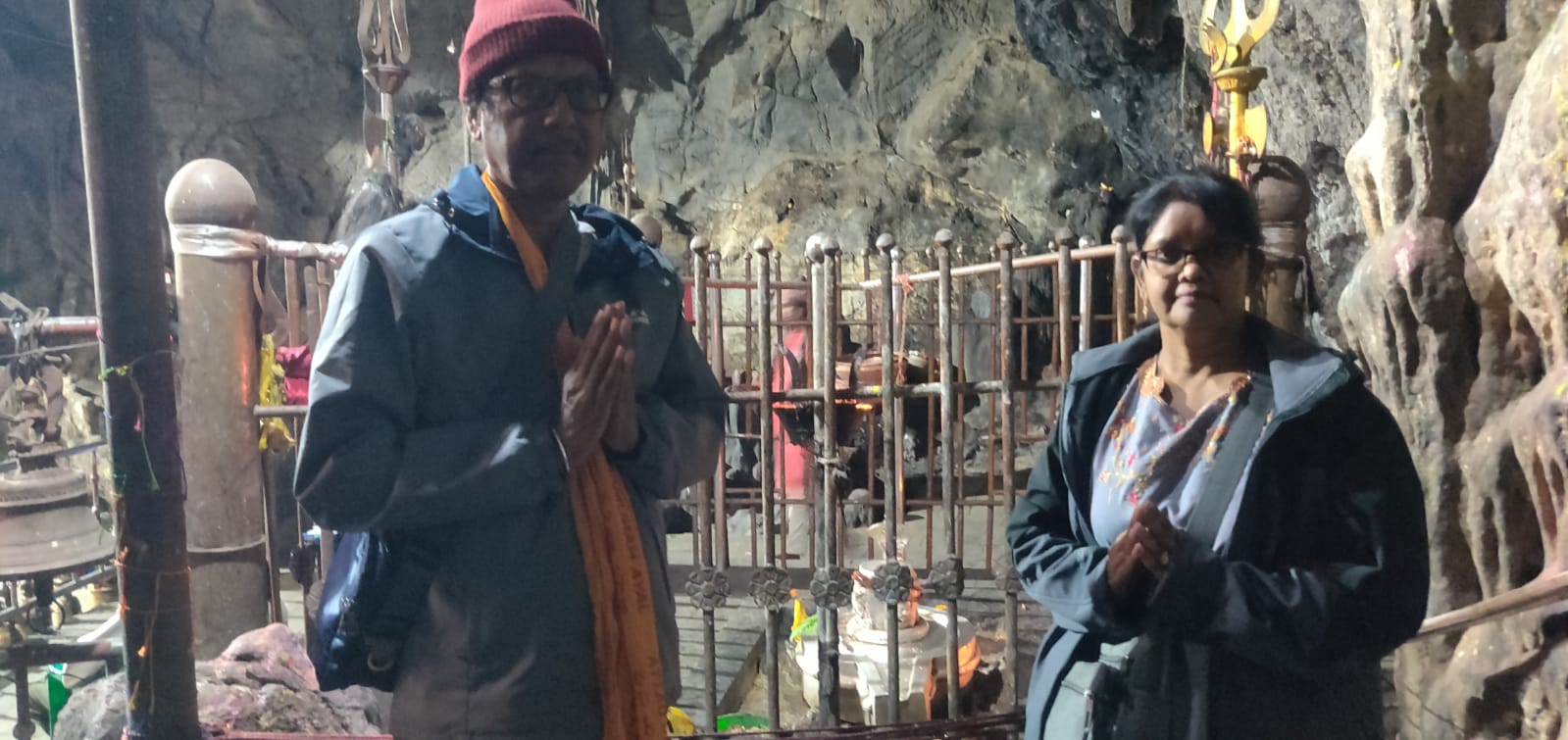
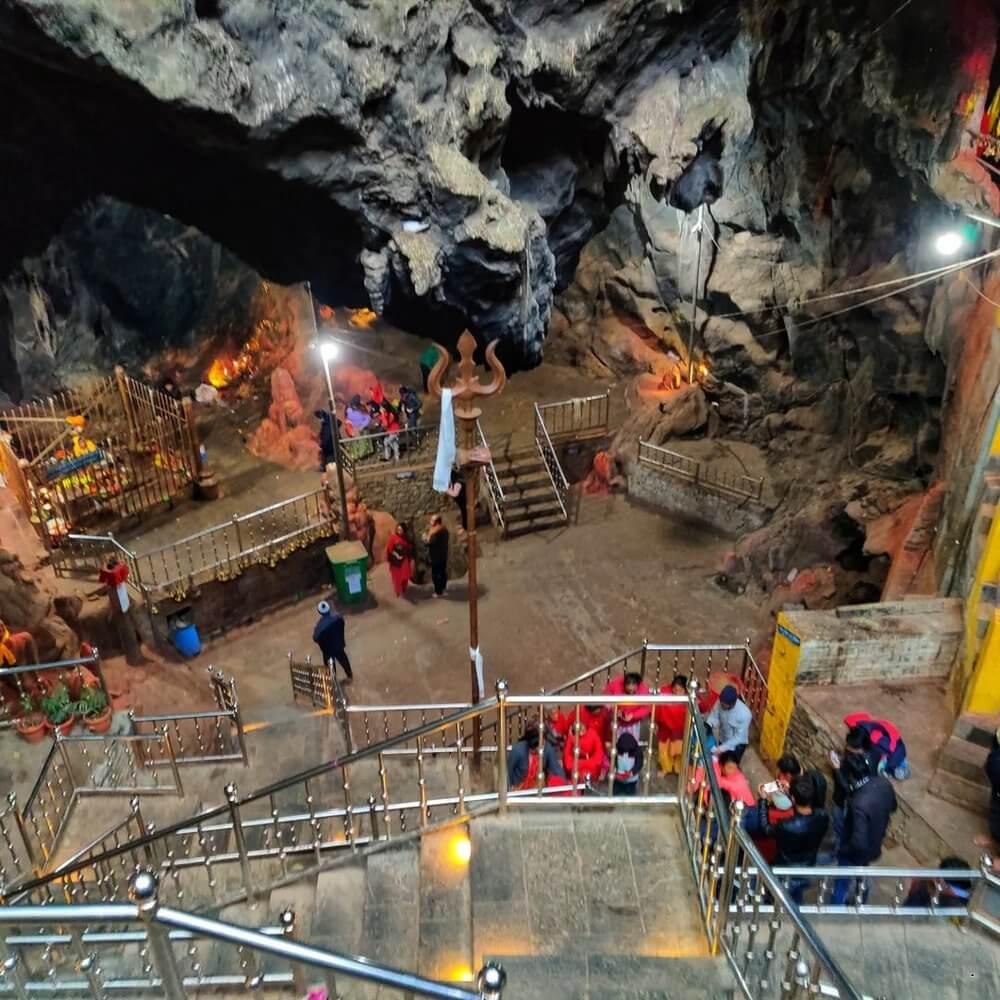
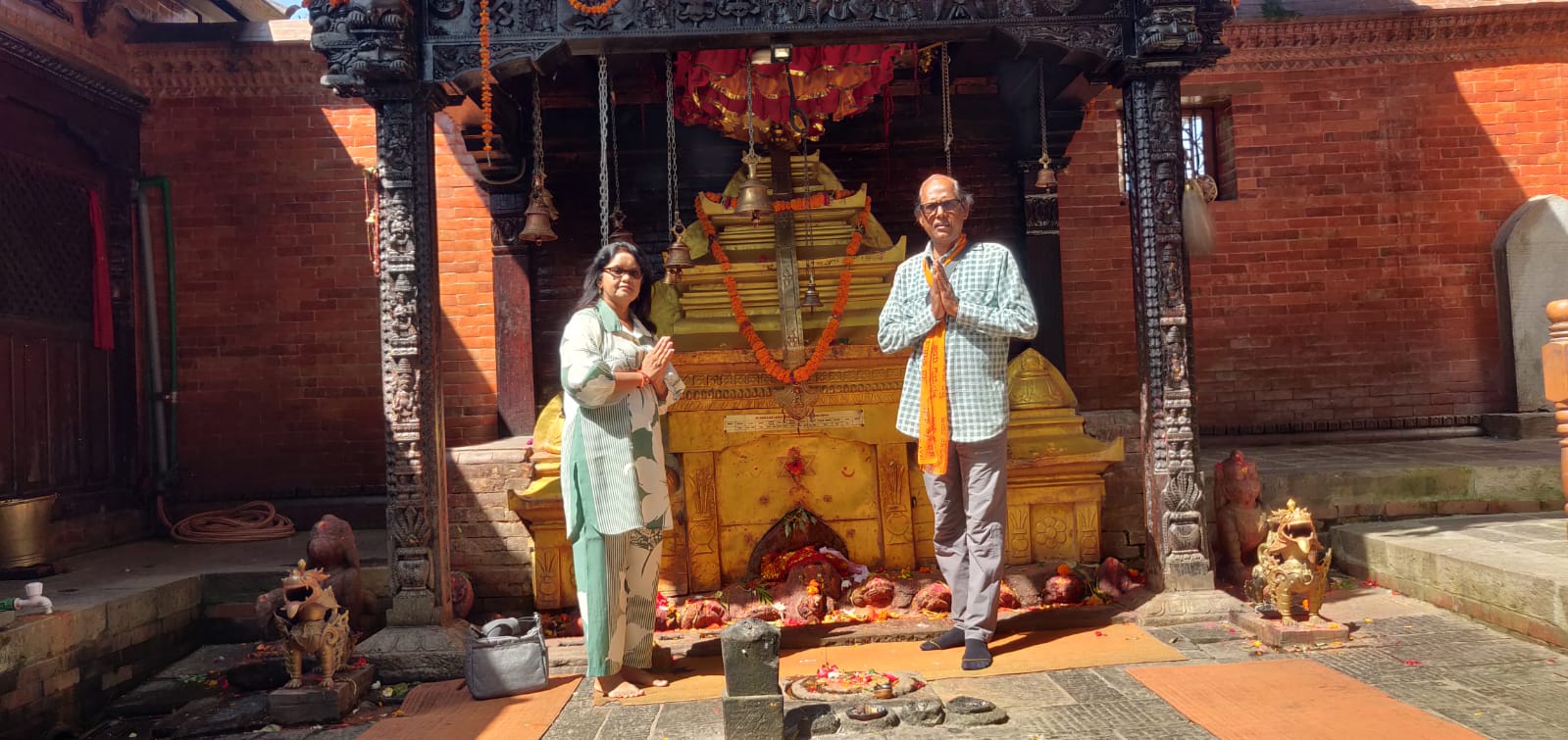
For Hindu pilgrims, Halesi is a sacred abode of Lord Shiva. Inside the cave, devotees worship the Shiva lingam and other sacred representations associated with the Hindu deities. The cave’s natural rock formations contribute to its distinctive atmosphere, while the enclosed space creates an environment for prayer and religious observance. Pilgrims visit Halesi to offer prayers, light lamps where permitted, make offerings and seek blessings for wellbeing, protection and spiritual fulfilment.
The experience is not limited to viewing a shrine. For many devotees, entering the cave is itself an important part of the pilgrimage. Halesi also receives pilgrims during major religious occasions, including Maha Shivaratri, when devotees gather to worship Lord Shiva. Other religious festivals observed in the area reflect the diverse spiritual traditions associated with the site. For visitors unfamiliar with Hindu pilgrimage, a local guide can help explain the significance of the rituals and the proper etiquette to follow inside the shrine.
3. Maratika Cave: The Buddhist Story of Immortality
The Buddhist sacred history of Maratika takes the visitor into a different spiritual world. According to Tibetan Buddhist tradition, Guru Padmasambhava, also known as Guru Rinpoche, travelled to Maratika with Princess Mandarava. They are believed to have undertaken a three-month meditation retreat in the sacred cave, practising a long-life meditation associated with Amitayus, the Buddha of Limitless Life.
In this tradition, Amitayus appeared to them and bestowed blessings connected with longevity. Guru Padmasambhava and Mandarava are believed to have attained the state known as a vidyadhara with mastery over life. This is a spiritual accomplishment, not simply the promise of an unusually long physical lifespan. The story belongs to a Buddhist understanding of spiritual realisation that goes beyond ordinary birth and death. Maratika consequently became an important pilgrimage destination for Tibetan Buddhists, particularly practitioners interested in long-life prayers, meditation and the teachings associated with Guru Padmasambhava.
The Maratika Monastery identifies the site as one of the major sacred pilgrimage places in Tibetan Buddhism. The historical record also deserves attention. The scholarly reference Treasury of Lives notes that Maratika is first mentioned in Buddhist literature in the twelfth century. This does not establish the sacred events as independently verified historical occurrences, but it demonstrates that the site’s Buddhist significance has a substantial literary history.
4. The Sacred Vase of Long Life
One of the most distinctive elements of the Buddhist tradition at Maratika is the sacred long-life vase, known in Tibetan as Tse Bum. According to the monastery’s traditional account, the vase is associated with Amitayus and the blessing of immortality bestowed upon Guru Padmasambhava and Mandarava. The vase represents the Buddhist aspiration for long life in connection with spiritual practice. Longevity is not understood merely as the accumulation of more years. It is also an opportunity to practise the teachings, develop wisdom and compassion, and progress towards spiritual awakening.
For this reason, some Buddhist pilgrims travel to Maratika specifically to perform long-life practices and prayers. Visitors who do not follow Buddhism can still appreciate the significance of the story. It reveals why this cave has a meaning for pilgrims that cannot be understood through its physical appearance alone. The important distinction is that the vase’s spiritual significance comes from religious tradition and belief rather than a claim that it has been scientifically demonstrated to extend life.
5. Three Sacred Hills: Exploring the Wider Landscape
Maratika is more than a single cave entrance. The Buddhist sacred geography described by Maratika Monastery includes three hills associated with bodhisattvas and their spiritual qualities.
- Avalokiteshvara Hill: Associated with Avalokiteshvara, the bodhisattva of compassion, and the main cave area.
- Vajrapani Hill: Associated with Vajrapani, representing spiritual power and the protection of Buddhist teachings.
- Manjushri Hill: Associated with Manjushri, the bodhisattva of wisdom.
Together, these figures are known in Tibetan Buddhist tradition as the Three Protectors. This landscape offers an interesting perspective for visitors. Rather than seeing Maratika as a single shrine to be visited quickly, one can understand it as a connected sacred environment in which hills, caves and religious sites form part of a larger spiritual geography. The amount of walking possible will depend on the condition of the paths, access arrangements and the visitor’s physical ability. Some cave passages may be difficult or unsafe, so visitors should follow local instructions and avoid entering restricted areas.
6. The Kirat Connection: Another Layer of Maratika’s Heritage
A meaningful account of Maratika should not overlook the Kirat community. The Nepal Film Development Board identifies Halesi as a sacred destination for Hindus, Buddhists and Kirats. Its description connects the site with Lord Shiva, Guru Padmasambhava and Raichakule, a figure in Kirat ancestral tradition. The wider Tuwachung landscape is also associated with Kirat heritage. Local traditions connect the area with ancestral figures and the development of agriculture and settled life.
These stories belong to a different cultural framework from the Hindu and Buddhist accounts. They should not be treated as minor variations of the same religious narrative. For visitors, learning about the Kirat connection provides a more complete understanding of the place and its local identity. It also raises an important question about pilgrimage tourism: how can travellers appreciate the spiritual significance of a destination while respecting the communities who have maintained their relationship with that landscape over generations? A thoughtful visit begins with listening, asking respectful questions and recognising that local traditions are living cultural heritage, not simply attractions for photographs.
7. What Makes Maratika Different?
Many pilgrimage destinations are closely associated with one religious tradition. Maratika is distinctive because several traditions have given the same landscape their own sacred meanings. A Hindu visitor may arrive to worship Lord Shiva. A Tibetan Buddhist practitioner may come to make long-life prayers associated with Amitayus. A Kirat visitor may approach the area through ancestral and cultural connections.The destination therefore offers more than a comparison between religions. It presents an opportunity to understand how different communities maintain their own beliefs while sharing a significant geographical place.
For international visitors, this is an especially valuable part of travelling in Nepal. The country’s spiritual heritage is not confined to famous monuments or well-known trekking routes. It also lives in caves, villages, pilgrimage paths and the stories people continue to tell. Perhaps the most interesting question to take away from Maratika is this: when people come to the same sacred place seeking different blessings, what does the place mean to each of them? There is no single answer. That is precisely what makes Maratika worth exploring.
8. How to Experience Maratika Respectfully
A visit becomes more rewarding when travellers take time to understand the place rather than rushing between viewpoints. A few practical suggestions can help:
- Allow sufficient time to visit the main cave and nearby religious sites without rushing.
- Dress modestly and follow instructions from temple and monastery representatives.
- Ask permission before photographing worshippers, monks or religious ceremonies.
- Follow local rules regarding footwear, offerings, lighting lamps and photography inside sacred areas.
- Do not touch religious objects or natural formations unless permitted.
- Avoid entering narrow, unstable or restricted cave passages.
- Consider speaking with a local guide who understands the Hindu, Buddhist and Kirat cultural contexts.
Visitors do not need to follow a particular religion to appreciate Maratika. Curiosity, respect and a willingness to listen are enough.
9. How to Reach Maratika Halesi Mahadev
Maratika lies in Khotang District in eastern Nepal. By road: Travellers can reach Halesi from Kathmandu by private jeep or other road transport. The journey is commonly planned as a full-day drive, with the exact duration depending on the route, road conditions, traffic and stops. Allow approximately 8–10 hours as a planning estimate and confirm conditions before departure.
By air and road: Lamidanda Airport has historically provided access to the Halesi area, followed by a road transfer. Flights and schedules are subject to availability, so travellers should verify current services before making plans. For a comfortable pilgrimage, an overnight stay in the Halesi area is worth considering. It allows time to visit the caves, explore the surrounding sacred landscape and experience the destination without the pressure of completing everything in a single day. Accommodation choices and local transport should be checked for the intended travel dates.
10. Suggested Maratika Pilgrimage: Two Days from Kathmandu
Day 01 – Kathmandu to Halesi
Depart Kathmandu by private vehicle and travel east towards Halesi in Khotang District. The journey passes through the hills and river valleys of eastern Nepal. Allow time for meals, rest stops and possible delays along the way. On arrival, check into your accommodation. Depending on the arrival time and local conditions, take a short orientation walk around the pilgrimage area. Overnight in Halesi.
Day 02 – Maratika Caves and Return to Kathmandu
Begin the day with a visit to Halesi Mahadev and the principal cave shrine. Allow time for worship, observation and learning about the Hindu traditions associated with the site. Continue to the Maratika Buddhist monastery and learn about Guru Padmasambhava, Mandarava, Amitayus and the sacred long-life tradition. If access and time permit, explore other nearby sacred locations and viewpoints with local guidance. The walking programme should be adapted to the visitor’s fitness and the condition of the paths. After the visit, begin the return journey to Kathmandu.
Travel note: This two-day programme involves a long road journey on both days. One way travel is approx 220 km about 8/10 hours drive. For a more relaxed experience, Red Reach Himalaya recommends considering an additional night in Charikot would recommended, particularly for pilgrims who wish to explore the area in greater depth.
Plan Your Maratika Pilgrimage with Red Reach Himalaya
At Red Reach Himalaya, we believe a meaningful journey should reflect what a traveller wants to experience. Whether you are visiting Maratika for Hindu pilgrimage, Tibetan Buddhist heritage, Kirat culture or a broader understanding of Nepal’s spiritual landscape, we can help arrange a journey suited to your schedule and interests. A private pilgrimage can be combined with other cultural destinations in Nepal, subject to available time and your preferred route.
Tell us what you hope to experience at Maratika. We will help you plan a journey around your interests, schedule and travel style. Contact Red Reach Himalaya Trek to discuss your private Maratika Halesi Mahadev pilgrimage.