Nepal Festival Calendar 2027: The Complete Guide to Nepal’s Cultural, Religious & Himalayan Festivals
Welcome to Nepal: A Land of Festivals – Discover the Spirit of Nepal
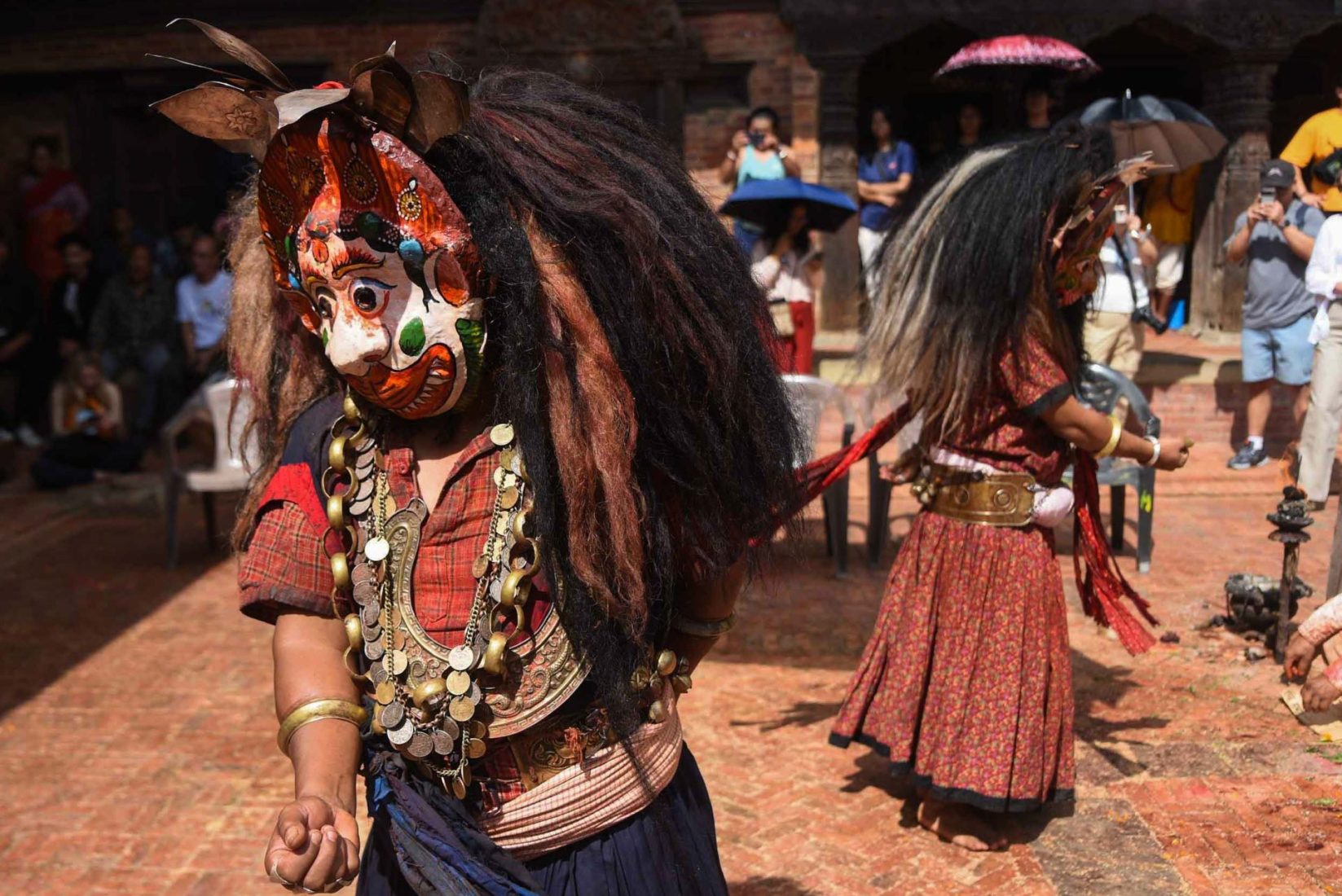
“Nepal is not just a destination – it’s a celebration. In every season, every valley, and every mountain village, you’ll find traditions that have been passed down for centuries.”
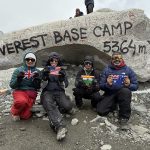
When most people think of Nepal, they imagine the towering peaks of the Himalayas, the world’s highest mountain, and legendary trekking routes such as Everest Base Camp, Annapurna Circuit, and Upper Mustang. While these breathtaking landscapes have made Nepal famous, there is another side of the country that leaves an equally lasting impression—its festivals.
With more than 125 ethnic groups, over 120 languages, and a remarkable blend of Hinduism, Buddhism, Bon, Kirat, Islam, Christianity, and indigenous beliefs, Nepal celebrates an extraordinary number of festivals throughout the year. It is often said that there is a festival taking place somewhere in Nepal almost every week. Whether you’re wandering the ancient alleys of Bhaktapur, visiting monasteries in Upper Mustang, trekking through the Khumbu region, or exploring the remote valleys of Humla and Dolpo, you’ll discover communities gathering in colorful celebration.
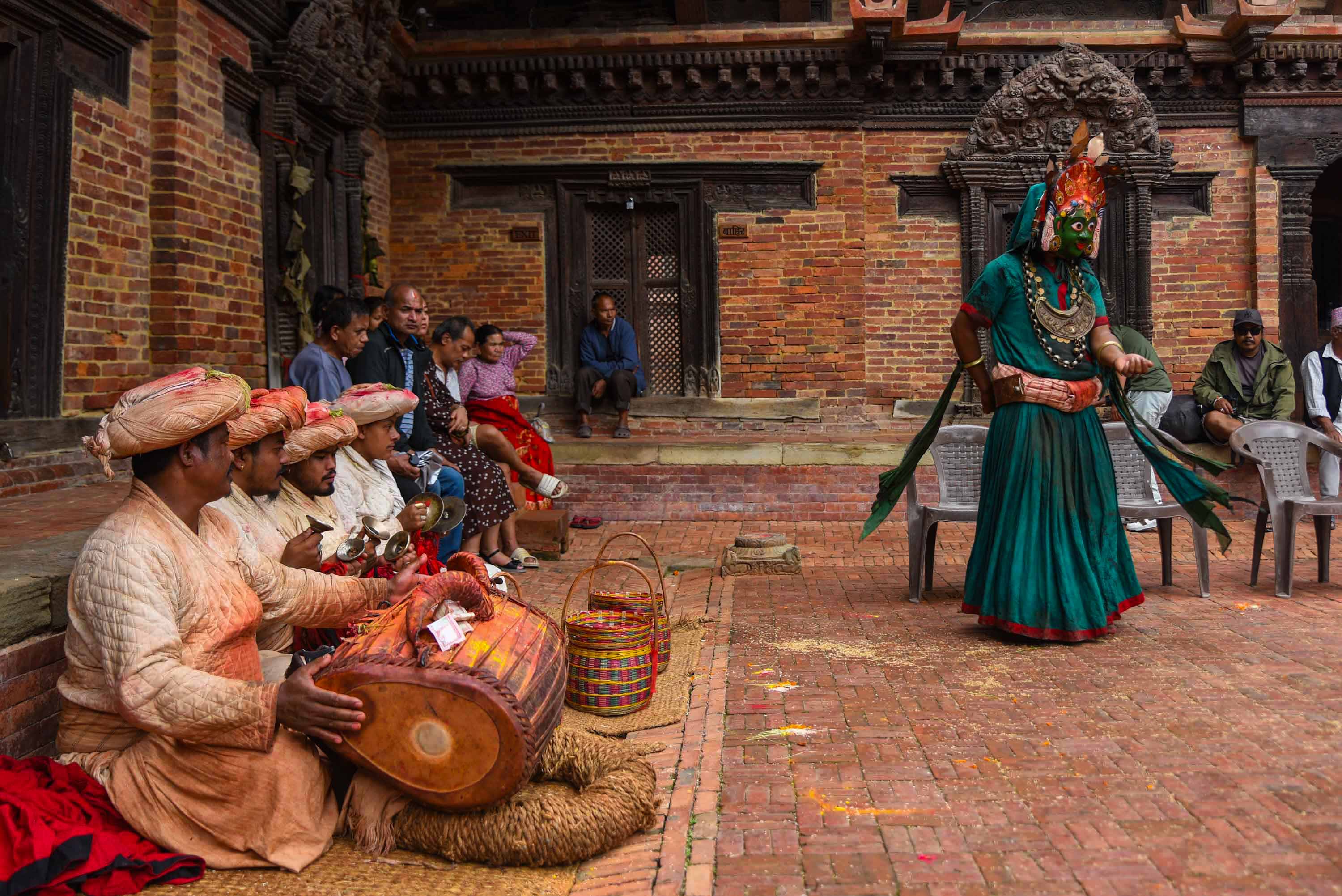
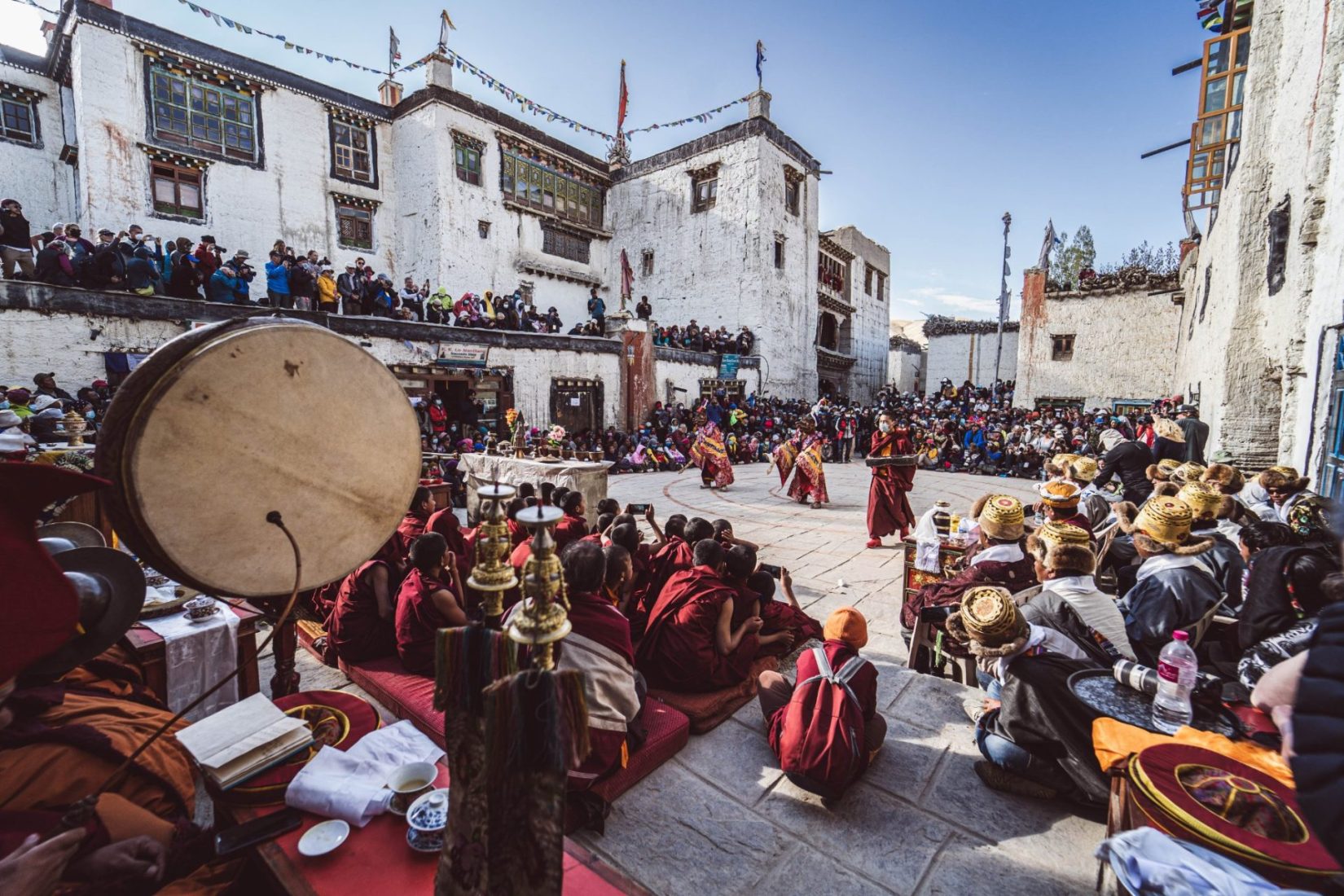
Some festivals fill city streets with music, dance, and giant chariot processions. Others take place in peaceful monasteries where monks perform sacred masked dances that have remained unchanged for centuries. In the high Himalayas, horse races, harvest celebrations, and local monastery festivals offer visitors a rare glimpse into traditions that few travelers ever experience.
At Red Reach Himalaya, we’ve always believed that the best journeys combine spectacular landscapes with authentic cultural experiences. Reaching Everest Base Camp or crossing the high passes of Annapurna is unforgettable, but witnessing a centuries-old monastery ceremony or sharing a local festival with villagers adds a deeper dimension to your journey. These moments transform a trek into a lifelong memory.
This guide has been created to help you discover Nepal through its festivals. Whether you’re planning your first visit or returning to explore another region, you’ll find inspiration, practical travel advice, and ideas for combining festivals with some of Nepal’s finest trekking and cultural experiences.
Why Travel During a Festival? – Nepal Festival Calendar 2027
Nepal’s festivals are not performances created for tourists—they are living traditions celebrated by local communities. Visitors are welcomed with genuine warmth and often become part of the celebrations.
Planning your trip around a festival allows you to experience Nepal at its most vibrant. Prayer flags flutter in the mountain breeze, monasteries echo with the sounds of long horns and chanting, temples glow with thousands of butter lamps, and entire villages come together in celebration.
Whether you’re photographing the sacred masked dances of Tiji in Upper Mustang, watching Sherpa monks perform the rituals of Mani Rimdu in Tengboche, or joining families during Dashain and Tihar, festivals offer a deeper understanding of Nepal’s people, history, and spirituality.
What Makes Nepal’s Festivals Unique?
Nepal is one of the few countries where Hindu and Buddhist traditions have flourished side by side for centuries. Many communities also preserve ancient indigenous beliefs that continue to shape local festivals today.
As you travel across Nepal, you’ll encounter:
- Ancient Hindu ceremonies at sacred temples.
- Tibetan Buddhist rituals in remote Himalayan monasteries.
- Sherpa festivals in the Everest region.
- Newar jatras in the Kathmandu Valley.
- Gurung and Tamang New Year celebrations.
- Horse festivals in Manang and Mustang.
- Bon religious ceremonies in Dolpo and Humla.
- Harvest festivals celebrated by farming communities.
- Pilgrimages to holy lakes, caves, and mountain monasteries.
Each region has its own traditions, making every journey unique.
How to Use This Guide – Nepal Festival Calendar 2027
This guide is organized month by month, helping you decide the best time to visit Nepal based on the festivals that interest you.
Each festival includes:
- Estimated Date (2027) – based on available information or historical patterns. Some Himalayan festivals follow the Tibetan lunar calendar and may be confirmed closer to the event.
- Location – where the festival is best experienced.
- Community – the people who celebrate it.
- About the Festival – a brief introduction to its history and significance.
- Photography Highlights – what makes it visually special.
- Best Trek or Tour – suggested experiences to combine with the festival.
- Travel Tips – useful advice for visitors.
Nepal at a Glance – Nepal Festival Calendar 2027
Why Visit Nepal?
- Home to eight of the world’s fourteen mountains over 8,000 metres.
- Birthplace of Lord Buddha.
- One of the world’s richest countries for cultural diversity.
- UNESCO World Heritage Sites throughout the country.
- Ancient kingdoms, monasteries, temples, and living traditions.
- Friendly people and warm hospitality.
- Some of the world’s most spectacular trekking routes.
- Festivals celebrated throughout the year.
Best Seasons to Visit Nepal – Nepal Festival Calendar 2027
| Season | Months | Highlights |
|---|---|---|
| Spring | March–May | Rhododendron forests, trekking, Tiji Festival, Buddha Jayanti |
| Summer/Monsoon | June–August | Lush landscapes, fewer trekkers, high-Himalayan festivals |
| Autumn | September–November | Dashain, Tihar, Mani Rimdu, clear mountain views |
| Winter | December–February | Quiet trekking trails, Lhosar festivals, crisp mountain scenery |
Festival Finder – Nepal Festival Calendar 2027
If you’re planning your holiday around a particular experience, this quick guide will help you choose the right season.
| Experience | Best Time |
| Hindu Festivals | August–November |
| Buddhist Festivals | May–November |
| Himalayan Monastery Festivals | May–November |
| Horse Festivals | August–October |
| Kathmandu Jatras | April–September |
| Trekking & Festivals | March–May and October–November |
| Photography | October and November |
Did You Know?
Nepal’s official calendar is the Bikram Sambat (B.S.) calendar, which is approximately 56–57 years ahead of the Gregorian calendar. While this guide uses English dates for the convenience of international travelers, many local celebrations are announced according to the Nepali or Tibetan lunar calendars. Because of this, some festival dates may be confirmed only a few months before they take place.
Red Reach Himalaya Recommends
If your schedule allows, don’t plan your visit around just one festival. Spend extra time exploring the surrounding region. A trek through the Himalayas, a village homestay, or a visit to a nearby monastery can turn a festival trip into a richer and more memorable journey.
For example:
- Combine the Tiji Festival with an Upper Mustang Trek.
- Experience Mani Rimdu while trekking to Everest Base Camp.
- Visit Buddha Jayanti during a cultural journey to Lumbini and the Kathmandu Valley.
- Enjoy Indra Jatra also known as Kumari Jatra alongside a UNESCO World Heritage tour of Kathmandu.
Welcome to Nepal: A Land of Festivals – Nepal Festival Calendar 2027
January to March: Welcoming the New Year with Tradition and Celebration
As winter settles across the Himalayas, Nepal begins the year with festivals that celebrate renewal, gratitude, family, and faith. While the high mountain passes are often covered in snow, the lower hills, valleys, and cities remain active with cultural celebrations. This is an excellent season for travelers who enjoy peaceful trekking, authentic local experiences, and clear mountain views.
Whether you are interested in photography, religious traditions, or simply experiencing Nepal beyond the trekking trails, January through March offers plenty of memorable opportunities.
JANUARY
Maghe Sankranti – Expected Date: 14 January 2027
Location: Nationwide (especially Devghat, Trishuli, Kali Gandaki, Koshi, and Narayani riverbanks)
Celebrated by: Hindus throughout Nepal
While Maghe Sankranti is celebrated across Nepal, one of the most authentic places to experience it is Devghat, where the Kali Gandaki and Trishuli rivers meet to form the Narayani River. Pilgrims begin arriving before sunrise, so plan to be there by 5:30 AM to witness the first prayers and river rituals. Morning light creates excellent photography conditions before the crowds build.
About the Festival
Maghe Sankranti marks the beginning of the auspicious month of Magh and symbolizes the transition toward warmer days. It is regarded as a festival of health, prosperity, and new beginnings. Thousands of devotees take ritual baths in sacred rivers before sunrise, believing the holy waters cleanse past sins and bring blessings for the coming year.
Families gather to enjoy traditional foods such as sesame sweets (til ko laddu), molasses (chaku), boiled yam (tarul), sweet potatoes, clarified butter (ghee), and spinach. These nutritious winter foods are believed to provide warmth and strength during the cold season.
Photography Highlights
- Pilgrims bathing at sunrise
- Colorful local markets
- Traditional winter foods
- Riverbank rituals
- Portraits of devotees and holy men
Best Combined With
- Kathmandu Heritage Tour
- Chitwan National Park
- Ghorepani Poon Hill Trek
- Bandipur Cultural Tour
Travel Tip
Visit Devghat or the Trishuli River before dawn to witness one of Nepal’s most spiritual sunrise ceremonies.
Maghi (Tharu New Year) – Expected Date: 14–15 January 2027
Location: Chitwan, Bardiya, Kailali, Kanchanpur , Celebrated by: Tharu Community
About the Festival:
Maghi is the most important annual celebration of the Tharu people, one of Nepal’s oldest indigenous communities. Traditionally it marks the end of the agricultural year and the beginning of a new one. Families gather to share meals, settle community matters, and celebrate with music and dance.
Photography Highlights
- Traditional Tharu dance
- Indigenous dress
- Community feasts
- Village life
Best Combined With
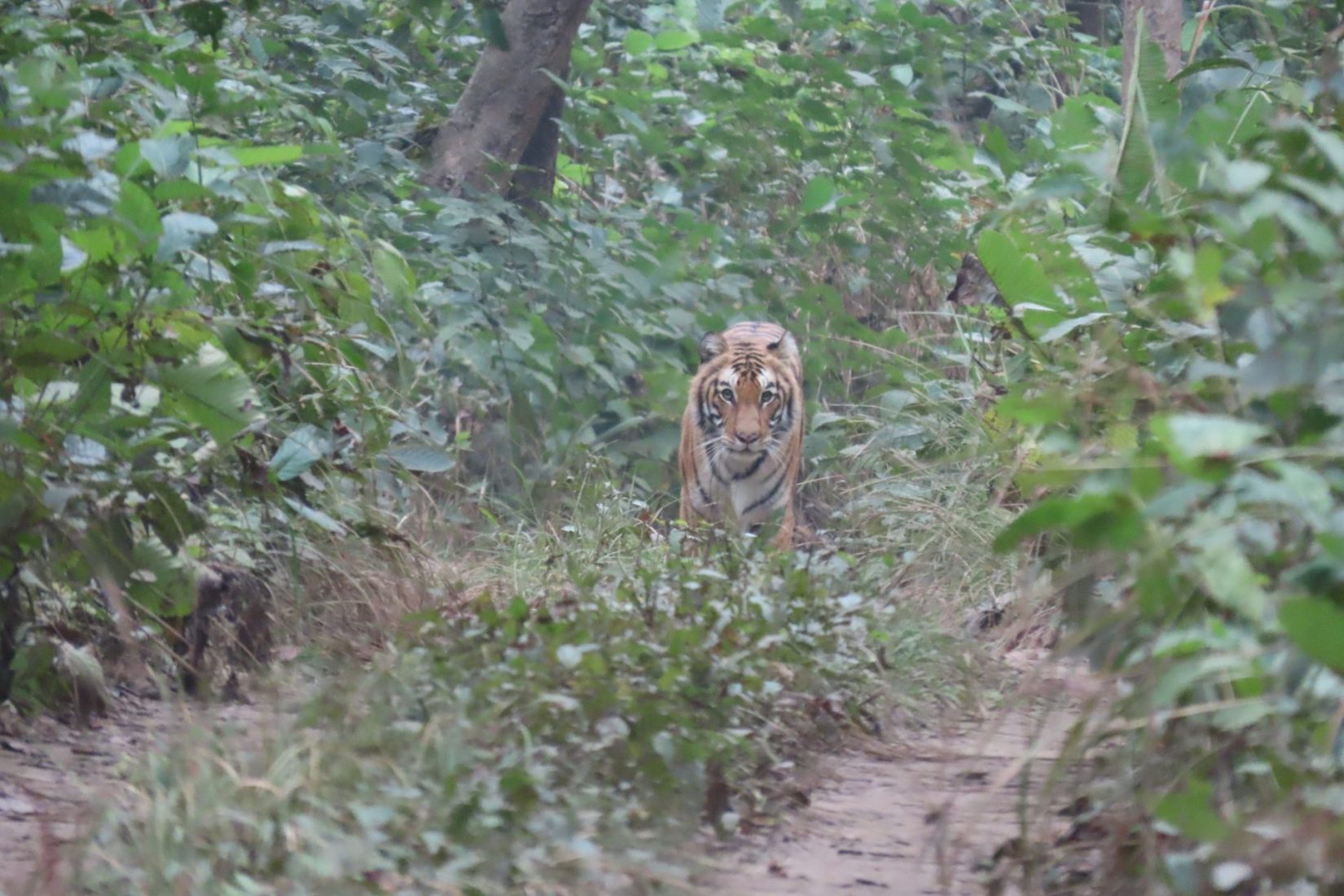
- Chitwan Jungle Safari
- Bardiya National Park
- Western Nepal Cultural Tour
FEBRUARY
Sonam Lhosar – Expected Date: Early February 2027 – Location: Kathmandu, Helambu, Rasuwa, Nuwakot
Celebrated by: Tamang Community
About the Festival
Sonam Lhosar marks the Tamang New Year according to the Tibetan lunar calendar. Homes are decorated, monasteries hold prayer ceremonies, and communities gather to celebrate with music, traditional dances, and festive meals. Visitors are welcomed into colorful cultural programs that showcase Tamang heritage.
Photography Highlights
- Tamang traditional costumes
- Monastery prayers
- Prayer flags
- Community dances
- Portrait photography
Best Combined With
- Langtang Valley Trek
- Tamang Heritage Trail
- Kathmandu Cultural Tour
If you’re trekking the Langtang Valley or Tamang Heritage Trail around Sonam Lhosar, ask your guide if any local villages are holding cultural programmes. Smaller celebrations are often more intimate than those in Kathmandu, giving visitors a wonderful opportunity to experience Tamang hospitality.
Red Reach Himalaya Recommends
If you’re trekking in Langtang during this period, consider spending an extra day in a Tamang village to experience the celebrations firsthand.
Maha Shivaratri – Expected Date: March 2027 (depending on the lunar calendar) – Location: Pashupatinath Temple, Kathmandu
Celebrated by: Hindus worldwide
About the Festival
Dedicated to Lord Shiva, Maha Shivaratri is one of Nepal’s largest religious festivals. Hundreds of thousands of pilgrims gather at the sacred Pashupatinath Temple, while holy men (Sadhus) travel from across Nepal and India to participate in the celebrations.
Throughout the night, devotees offer prayers, light oil lamps, and sing devotional songs.
Photography Highlights
- Sadhus with ash-covered faces
- Temple architecture
- Butter lamps
- Evening ceremonies
- Devotional gatherings
Best Combined With
- Kathmandu UNESCO Heritage Tour
- Bhaktapur Day Tour
- Nagarkot Sunrise Tour
Pashupatinath Temple becomes extremely crowded during Shivaratri. If your main interest is photography, arrive early in the morning when the holy men (Sadhus) are preparing for the day. Please remember to ask permission before taking close-up portraits and consider offering a small donation as a gesture of respect.
Travel Tip
Pashupatinath becomes extremely busy during Shivaratri. Arrive early and respect local customs, especially in areas reserved for worship.
MARCH
Holi – Festival of Colours – Expected Date: March 2027 – Location: Nationwide
About the Festival:
Holi celebrates the arrival of spring and the triumph of good over evil. It is one of Nepal’s most joyful festivals, with people of all ages gathering to throw coloured powder and water, dance in the streets, and share festive foods.
Kathmandu, Pokhara, and Bhaktapur host particularly lively celebrations, while smaller towns offer a more traditional atmosphere.
Photography Highlights
- Explosions of colour
- Street celebrations
- Portraits of smiling participants
- Traditional music and dance
Best Combined With
- Kathmandu Tour
- Pokhara Tour
- Annapurna Base Camp Trek
- Mardi Himal Trek
Photography Tip
Wear old clothes, protect your camera with a waterproof cover, and carry a dry bag for your phone. If you prefer a family-friendly atmosphere, celebrate in Pokhara or Bhaktapur, where the festivities are generally more relaxed than in central Kathmandu.
Ghode Jatra – Expected Date: March 2027 – Location: Kathmandu
About the Festival
Ghode Jatra, or the Horse Festival, dates back hundreds of years. According to local legend, it commemorates the defeat of a powerful demon that once haunted the Kathmandu Valley. Today, the Nepal Army stages impressive horse-riding displays at Tundikhel, while local communities observe traditional rituals.
Photography Highlights
- Horse races
- Military displays
- Traditional uniforms
- Spectator crowds
Best Combined With
- Kathmandu Valley Heritage Tour
- Patan & Bhaktapur Sightseeing
Most visitors watch the horse displays from the public viewing areas around Tundikhel. If you’re also planning to visit Kathmandu’s UNESCO World Heritage Sites, combine Ghode Jatra with Swayambhunath, Patan Durbar Square, and Boudhanath for a rewarding full-day itinerary.
Best Treks for January to March
| Month | Recommended Trek | Why Visit? |
|---|---|---|
| January | Ghorepani Poon Hill Trek | Clear mountain views and peaceful trails |
| January | Chitwan Safari | Pleasant weather and rich wildlife |
| February | Langtang Valley Trek | Tamang culture and Sonam Lhosar celebrations |
| March | Annapurna Base Camp Trek | Rhododendron forests begin to bloom |
| March | Mardi Himal Trek | Excellent mountain panoramas |
| March | Everest View Trek | Stable weather and fewer crowds than autumn |
Photography Corner
If you’re visiting Nepal between January and March, don’t focus only on the festivals. Some of the year’s finest photographs are found in the quiet moments between celebrations.
Look for:
- Early morning prayers at temples.
- Monks spinning prayer wheels.
- Farmers working in terraced fields.
- Snow-covered Himalayan villages.
- Traditional markets selling winter produce.
- Sunrise over the Annapurna and Langtang ranges.
These everyday scenes tell the story of Nepal just as beautifully as its grand festivals.
Looking Ahead
As winter fades and spring arrives, Nepal becomes even more vibrant. The next chapter (please see our next blog) takes us into April, May, and June, where ancient New Year celebrations, the spectacular Bisket Jatra, the peaceful Buddha Jayanti, and the world-famous Tiji Festival of Upper Mustang bring the country to life. These months also mark the beginning of one of Nepal’s finest trekking seasons, with rhododendron forests in bloom and crystal-clear mountain views waiting around every corner. For treks, peak climbing, photography tour, honey hunting experience, festival tours or any smaller service,contact us. Read our reviews rto know about us. You can contact us through this link – Contact US.