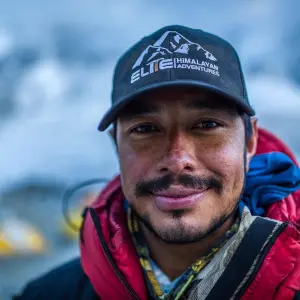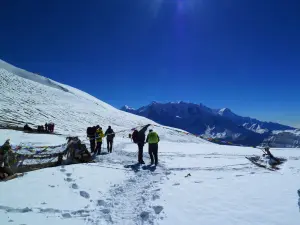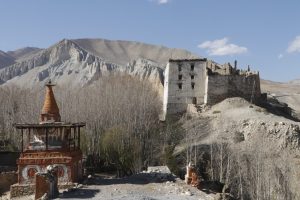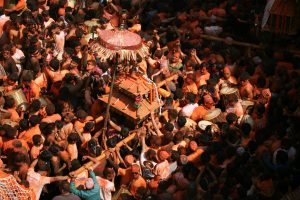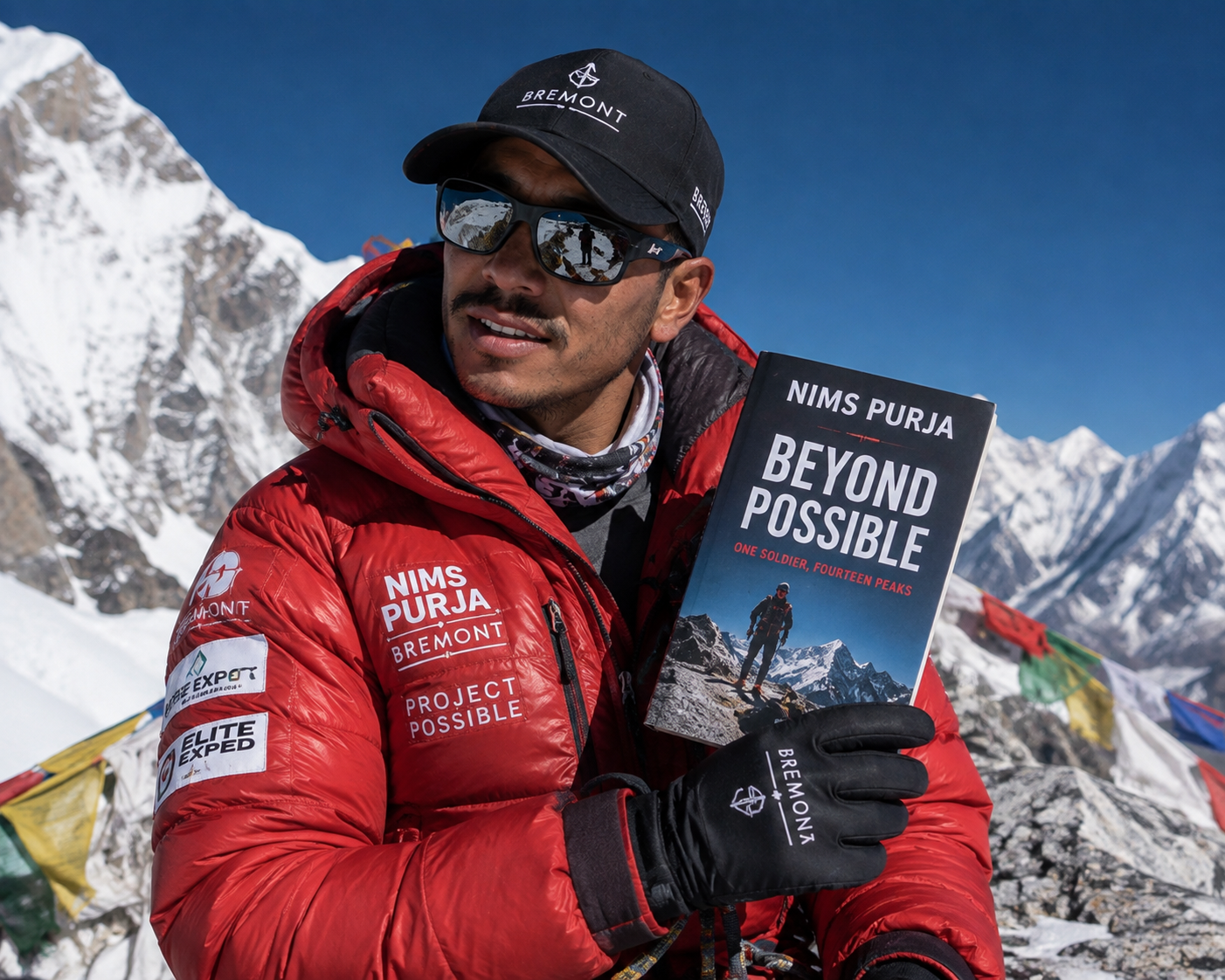
Nims Dai an extra ordinery legacy who changed Himalayan mountaineering. There are some people who achieve great things. And then there are people who change the way other people think about what is possible. Nirmal Purja, known around the world as Nims Dai, belonged to the second category. His death on Broad Peak in Pakistan on July 30, 2026, in an avalanche that claimed the lives of ten climbers, has left a deep silence in the international mountaineering community. Nims was leading an international expedition on the 8,051-metre mountain when the avalanche struck. For those who knew him personally, climbed with him, competed with him, worked with him or simply followed his extraordinary career, his death is difficult to comprehend. For Nepal, the loss is even harder to measure. Because Nims Dai was not simply a man who climbed mountains. He changed the position of the Nepali climber in the international mountaineering world. And that may eventually prove to be more important than any of his records.
Before Nims Dai, Nepal was already carrying the world’s mountains
Nepal has always been a mountaineering country. The world’s highest mountain is in Nepal. Some of the most famous trekking and climbing routes begin in Nepal. Generations of Nepali mountain workers have carried loads, fixed ropes, established camps, rescued climbers and guided expeditions through some of the most dangerous terrain on earth. The international mountaineering world knew this. But there was a strange imbalance. A foreign climber would arrive with sponsors, cameras, expedition funding and international media. The Nepali climbing team would make the expedition possible. The foreign climber’s name would often appear in the headlines. The Nepali climbers were frequently part of the story, but rarely the story themselves.Nims Dai changed that. He did not invent Nepali mountaineering. He did something perhaps more important. He made the world look at the Nepali climber differently.
Then came a man who seemed to have no interest in the word “impossible”
Nirmal Purja was not born into the traditional image of a professional mountaineer. He served with the Brigade of Gurkhas and later with the UK’s Special Boat Service. That military background became an important part of his character and his approach to climbing. Discipline, planning, teamwork, speed, decision-making under pressure, and an extraordinary belief that difficult things should be attempted precisely because people say they cannot be done. Then, in 2019, he announced something that sounded almost absurd. He would climb all fourteen mountains above 8,000 metres in less than seven months. The previous record was close to seven years. Nims called his project Project Possible. Many people thought the challenge was impossible. He went to work.
Annapurna. Dhaulagiri. Kanchenjunga. Everest. Lhotse. Makalu. Nanga Parbat. Gasherbrum I. Gasherbrum II. K2. Broad Peak. Cho Oyu. Manaslu. Shishapangma. One after another. and mountain after mountain. In the end, he completed all fourteen in six months and six days – 189 days. It was one of the most extraordinary speed achievements in the history of high-altitude mountaineering. The numbers were incredible. But something else was happening at the same time. The world was learning the name of a Nepali climber. Not just “the guide.” Not just “the Sherpa.” Not just one member of an expedition but Nims Purja.
The records were only the beginning – Nims Dai
It would be easy to write about Nims Dai simply as a record-breaking machine. Fourteen 8,000ers in 189 days. The first winter ascent of K2 with a Nepali team. Speed records on Everest, Lhotse and Makalu. Later records involving ascents of the 14 eight-thousanders without supplementary oxygen. And many other recognised achievements. His original 14-peak speed record was eventually broken, but that does not diminish what the achievement represented at the time. Because Nims was not simply collecting records. He was building something: A name, a reputation , a company, a team , a global audience , and a completely different image of what a Nepali expedition leader could be.
The Nepali climber became the expedition leader
This is where I believe Nims Dai’s real impact can be found. For generations, international mountaineers came to Nepal to climb.Nepali guides and high-altitude workers were essential to making those expeditions possible. But Nims showed that there was another possibility. The international climber could come to Nepal because of the Nepali climber. That is a very different relationship. Instead of simply being the person hired to help someone else’s expedition, the Nepali climber could become the person designing the expedition, leading the expedition, managing the logistics, communicating with the client and taking responsibility for the entire experience. Nims became the face of his own expedition operation. He built relationships with international climbers and high-profile clients. His company developed an exclusive 1:1 guiding model, putting personal leadership and high-altitude experience at the centre of the service. That was a significant change in the business of Himalayan mountaineering. The knowledge of the mountain became more than labour. It became expertise. The expertise became a service.And the person providing that expertise became a recognised international brand.
He understood something beyond climbing
Nims Dai had another quality that separated him from many climbers. He understood communication. He understood people. He understood media. And he understood the power of a story. There are thousands of people around the world who have climbed difficult mountains. Far fewer know how to tell the world what they experienced. Nims knew how to do both. He spoke confidently. He was direct. He was energetic. He could talk to a professional climber, a journalist, a television producer, a sponsor or an ordinary person watching from home. And then came Netflix.
When the mountains entered millions of homes
In 2021, Netflix released 14 Peaks: Nothing Is Impossible. The documentary followed Nims Dai and his team during Project Possible and brought his story to a global audience. Netflix described the film as a journey through Nepal’s deep connection with high-altitude mountaineering, following Nims across Everest, K2 and the other 8,000-metre peaks. This was a major moment. The audience was no longer only mountaineers. People who had never considered climbing Everest could suddenly see the mountains through the eyes of a Nepali climber. They saw the camps. The exhaustion, the weather, the fear, the humour, the team, the family waiting at home. And the person leading the expedition was not a foreign climber with a Nepali team working behind him. It was Nims, a Nepali climber telling his own story, that matters., because representation in mountaineering matters.
Nims Dai changed the psychology of possibility
Perhaps this is the part that is hardest to measure. A young Nepali climber watching Nims Dai could see something that was different from the generation before him. He could think:
“Maybe I don’t have to spend my whole career working behind someone else’s name.”
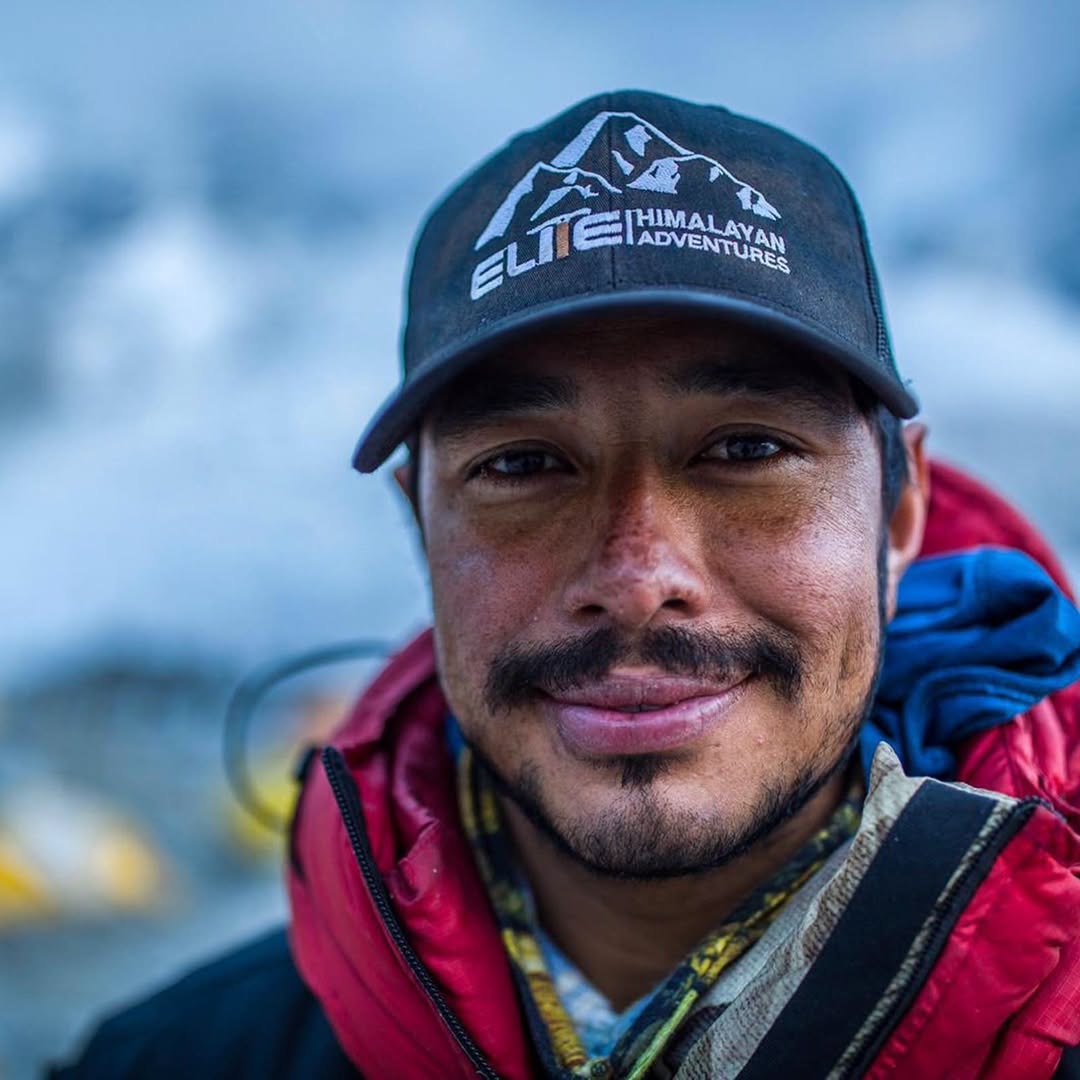
“Maybe I can lead an international expedition.”
“Maybe foreign climbers will come to Nepal because they trust me.”
“Maybe I can build my own company.”
“Maybe I can have sponsors.”
“Maybe my story is worth telling.”
Nims did not create Nepal’s climbing talent.
Nepal had that talent long before him.
What he did was make that talent visible to the world.
From the mountains of Nepal to the world’s most powerful clients
Another part of Nims’ story is the international network he built. The modern Himalayan client is changing. Today’s high-altitude climber may be an experienced mountaineer from Europe or North America. But they may also be a business leader, celebrity, professional athlete, member of a royal family or someone who has the resources to pursue an extraordinary personal ambition. For such people, choosing an expedition leader is not simply about finding the cheapest package. They want confidence.
They want experience. They want somebody who knows what happens when the weather turns. Somebody who understands logistics. Somebody who knows the mountain. Somebody they can trust when they are thousands of metres above sea level.Nims understood this market. He understood that his experience could create direct relationships with people who wanted to climb the world’s highest mountains. And once international climbers knew his name, Nepal was no longer simply the place where the expedition happened. Nepal became the home of the expedition leader they wanted to climb with. That is a profound change.
Nims Dai also changed the image of the Nepali mountain guide
There is another reason Nims became so influential. He looked and behaved differently from the old image of the Himalayan guide. He was not afraid of cameras. He was not afraid of ambition. He was not afraid of saying that he wanted to be the best.He did not hide behind modest language. He talked openly about records. He talked about impossible goals. He talked about human potential. And sometimes that confidence attracted criticism. But it also attracted millions of followers. People listened. People watched. People wanted to know what he would do next. In an industry where the mountains are often the stars, Nims himself became a mountaineering personality.
The world discovered that Nepali climbers could tell their own stories
His team filmed extensively during Project Possible. More than 100 hours of footage contributed to the making of 14 Peaks. That was another important shift. The Nepali mountaineer was no longer simply carrying the camera. He was in front of it. And eventually, he was helping decide what story the world would see.
There may be another record breaker
It is possible that somebody will eventually climb 14 eight-thousanders faster. It is possible that another climber will collect more Guinness World Records. It is possible that somebody will climb a mountain in a way that makes today’s achievements look ordinary. Mountaineering has always moved forward. Records are made to be broken. Nims’ own 2019 speed record was eventually surpassed. But that is not really the point. Because there may never be another Nims Dai. Not because nobody will ever be stronger. Not because nobody will ever climb faster. Not because nobody will ever collect more records. But because a person’s legacy is not created by numbers alone. Nims had a rare combination. A soldier. A special-forces operator. A high-altitude climber. An expedition leader. An entrepreneur. A communicator. A filmmaker. A social-media personality. A man who understood international clients. And, perhaps above everything else, a man who had an extraordinary ability to convince people that something impossible might actually be possible. That combination is unlikely to appear again in exactly the same form.
And then Broad Peak
There is something deeply difficult about the fact that Broad Peak became the final chapter. Broad Peak was one of the fourteen mountains that Nims conquered during Project Possible in 2019. Seven years later, he returned. This time, Nims Dai did not return to break the same record. He returned as an experienced expedition leader, with an international team. On July 30, 2026, an avalanche struck the expedition on Broad Peak. Nims Dai was among the ten climbers who died. The international mountaineering community was suddenly forced to stop talking about what he might climb next. There would be no next record. No next expedition announcement. No next photograph from a summit. No next impossible project. The man who spent so much of his life telling people that nothing was impossible had finally met the one thing no climber can negotiate with. The mountain had the final word.
What does Nepal lose?
Nepal has lost a great climber. But that is only the beginning of the loss. Nepal has lost an international ambassador for mountaineering. A person who could walk into a room anywhere in the world and immediately make people interested in the Himalayas. A person who could speak to international clients in their own language of ambition. A person who understood that climbing and business were no longer separate worlds. A person who understood that a modern expedition needed not only ropes, oxygen, tents and food, but also communication, media, relationships and trust. And Nepal has lost a man who made many people outside Nepal realise something that those of us living here have known for generations: The people of the Himalayas are not simply the people who take you to the mountain. They are the people who understand the mountain. They are the people who can lead. They are the people who can make decisions when things go wrong. They are the people who can stand on the summit. And they can be the people whose names the world remembers.
The legacy will not end with Nims
There is a temptation after the death of somebody extraordinary to say: “There will never be another one like Nims Dai.” In one sense, that is true. There will never be another Nims Dai. But there will be young climbers in Nepal watching what he accomplished. There will be guides who decide to build their own companies. There will be expedition leaders who negotiate directly with international clients. There will be Nepali climbers who seek sponsorship. There will be filmmakers who tell Himalayan stories from a Nepali perspective. There will be climbers who look at an 8,000-metre mountain and think about their own impossible dream. That is how a legacy works. It does not mean somebody becomes a copy of you. It means you make it easier for the next person to imagine becoming something bigger.
The man behind the records
Perhaps, in the end, we should not remember Nims Dai only for the Guinness records. Records are numbers. Numbers can be beaten. A legacy is different. His greatest contribution may have been the confidence he gave to Nepali mountaineering which is remarkable. He showed that a climber from Nepal could stand in front of the international mountaineering community and say: I can lead.
He showed that the Nepali climber could build the expedition. He showed that the Nepali climber could own the company. He showed that the Nepali climber could have the international client. He showed that the Nepali climber could become the face of the film. He showed that the Nepali climber could become the story. And perhaps most importantly, he showed that the world was ready to listen.
There will never be another Nims Dai
Someone may climb fourteen 8,000-metre peaks faster. Someone may break another record. Someone may stand on more summits. Someone may become the next great name in Himalayan mountaineering. We should welcome that. That is how mountaineering grows. But they will not be Nims Dai. Because Nims was not just a collection of records. He was a moment in the history of Himalayan mountaineering. A moment when the balance of the story began to change. A moment when the Nepali climber stepped out from behind the expedition and into the centre of it. A moment when millions of people around the world began to see the Himalayas through Nepali eyes. And now, after Broad Peak, perhaps the most fitting thing we can say is not that his records will never be broken. It is this: His records may be broken. His impact will be much harder to replace. Nims Dai climbed some of the highest and most dangerous mountains on earth. But perhaps the greatest mountain he climbed was the invisible one – the distance between the people who had always lived and worked in the Himalayas and the international world that came to climb them. He made that distance smaller. And for that, the name Nims Dai will remain part of the history of Himalayan mountaineering long after the numbers in the record books have changed.
Rest in peace, Nims Dai.The mountains have taken one of their most extraordinary sons. But they cannot take away the trail he left behind.
Nims Dai showed the world what Nepali mountain expertise can achieve at the highest level. At Red Reach Himalaya, we believe that same local knowledge, experience and personal connection are important for every traveller coming to Nepal.
We are a Nepal-based team specialising in trekking, climbing, cultural journeys and tailor-made Himalayan adventures. We work directly with our travellers and local mountain teams, giving each journey a personal touch rather than treating it as just another package.
Whether you dream of Everest Base Camp, Annapurna, Mustang, Manaslu, Langtang, or simply want to discover Nepal at your own pace, we can build the journey around you.
Explore Red Reach Himalaya, learn About Us, or tell us what you have in mind through our Tailor-Made Trip page. The Himalayas are our home. Let us help you experience them personally.